
A PESTEL analysis and expert interviews map out all external influences and key actors to pinpoint the political, economic, social and regulatory factors that will shape technology adoption. It then translates stakeholder insights into prioritized technical and usability requirements via targeted questionnaires, ensuring the device meets real-world needs. Building on this, acceptance studies systematically gather and analyze stakeholders feedback to establish clear criteria for end-user buy-in, and a comprehensive cost-effectiveness model compares point-of-care versus conventional CAR-T therapies (including QALYs, long-term follow-ups, Monte Carlo sensitivity analysis, and workflow-driven cost inputs) to guide strategic decision-making.
A robust regulatory roadmap is crafted for both the CGT proof-of-concept platform and the modular CAR-T procedure. Early engagement with Notified Bodies and competent authorities ensures that device classification, pre-clinical testing, and evolving regulations are addressed in real time. A detailed European regulatory landscape analysis across EU countries (starting with Germany, Spain) informs consultation with TÜV, PEI, EMA, and other agencies, while comprehensive GMP documentation - including validation plans, risk assessments, and supplier qualification - lays the groundwork for compliant manufacturing in WP6.
Refining and validating the consumable cassette and core instrument to meet GMP specifications for on-site CAR-T production is performed in this working package: partners will iterate on the Point-of-Care (PoC) - cell and gene therapy cassette design (affinity capture, washing, concentration) and verify cell-isolation performance (purity, viability, yield) across multiple donor samples. Standardized quality-control cartridges and protocols will be developed to automate cell counts, viability checks, and contamination assays, by stakeholder feedback from WP8. Finally, a Digital Twin will integrate process and quality control data into hospital EHR/LIMS systems, enabling real-time interoperability and streamlined clinical workflows.
Same-day CAR-T production is established and refined through the comparison of novel vector and gene-editing strategies with classical methods. Both processes are then standardized to ensure consistent, clinical-scale use. It develops cutting-edge analytical assays - leveraging CRISPR off-target profiling, 3D ex vivo efficacy screens, and cytokine-release monitoring - to qualify edited cells for safety and potency. Finally, it conducts paired comparisons of the new rapid workflow versus traditional ex vivo culture to demonstrate equivalence or superiority in product quality.
Simulated onboarding workflows in hospital settings serve to pilot the point-of-care CAR-T platform, while also generating SOPs, training materials, and quality-management documents to assess personnel, infrastructure, and documentation requirements. Guided by insights from WP2 and WP3, this WP then conducts dry runs across partner sites, gathering usability feedback to iteratively refine device deployment and clinical processes while preparing for a clinical trial. Finally, interoperability tests validate data interfaces between the device, digital twin, and hospital IT systems, and a clinical study protocol is drafted alongside a comprehensive final report outlining logistics, user insights, and regulatory considerations.
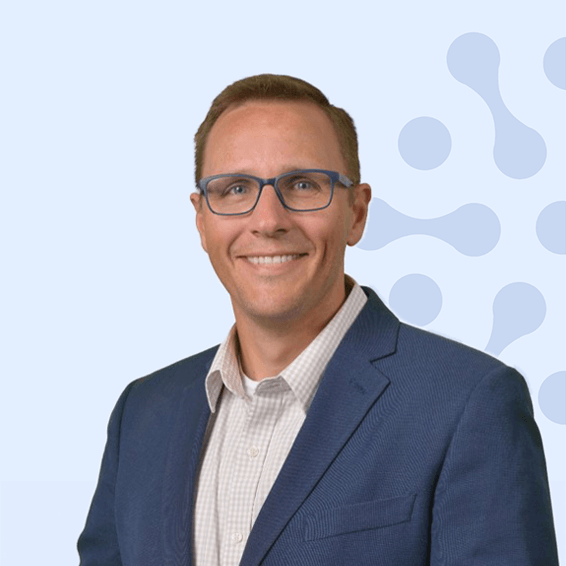

Christopher is Director of Cell Therapy R&D at Fresenius Kabi USA, where he leads a multi disciplinary team in developing next-generation cell processing technologies. With over 13 years at Fresenius and a background in biomedical engineering, he has pioneered innovations in closed-system cell washing, cryopreservation, and membrane separation. A named inventor on several patents and an author of peer-reviewed publications, Christopher combines technical leadership with deep expertise in device design for cell and gene therapies.
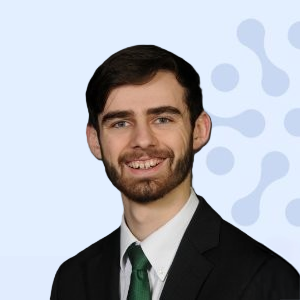
Alexander is a Senior Research and Development Engineer at Fresenius Kabi USA, where he has worked since April 2021. He specializes in the development of innovative blood processing applications, utilizing advanced tools such as Solid Works, MATLAB, and 3D printing. Prior to this, Alexander served as an R&D Engineer at Sunstar Americas and gained valuable experience through a multi-term co-op with Fresenius Kabi, designing and testing prototypes for various medical devices. He holds a Bachelor of Science in Biomedical Engineering from Rose-Hulman Institute of Technology, with a concentration in Biomedical Instrumentation.
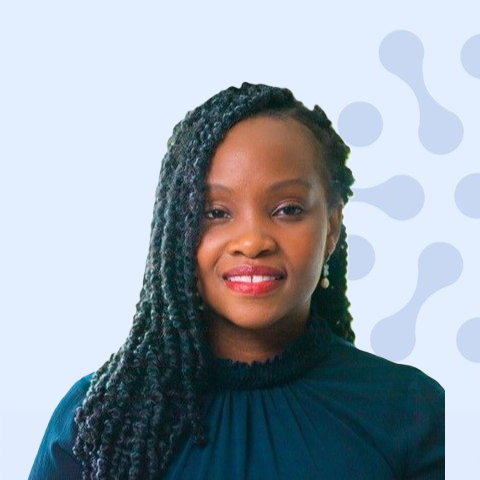
Kaluki is an accomplished certified regulatory professional serving as a Manager in Regulatory Affairs for the Cell and Gene therapy and Plasma products at Fresenius Kabi. With a scientific background in Chemistry and a regulatory career spanning multiple industries – including medical devices, cell therapies, pharmaceutical and consumer goods, she brings a broad regulatory perspective and a deep understanding of diverse regulatory frameworks. This versatility enables her to develop effective solutions to complex regulatory challenges, especially in emerging areas such as CGT. She is a contributor to the EASYGEN Consortium WP5 by providing relevant inputs into the regulatory strategies aimed at closing gaps in the CGT EU regulatory framework, specifically for automated cell therapy products.
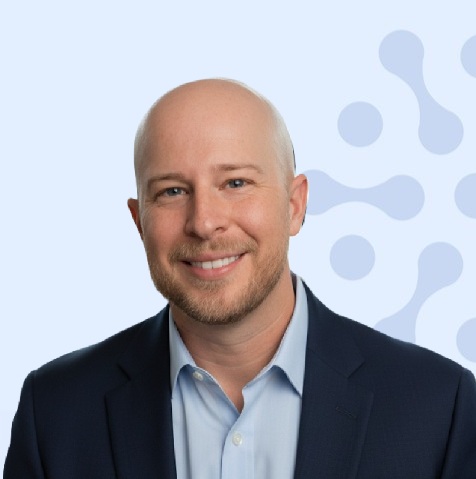
Kyle is a Senior Principal Engineer in the Cell and Gene Therapy R&D group based in Lake Zurich, Illinois, USA, with expertise in advanced engineering systems and cross-functional product development. He holds both a Master of Science in Biomedical Engineering from the University of Michigan. With over 10 years at Fresenius Kabi, Kyle has played key roles in the development of the Lovo and Cue Cell Processing systems. As a contributor to the EASYGEN Consortium, he supports the advancement of next-generation CAR-T manufacturing technologies.
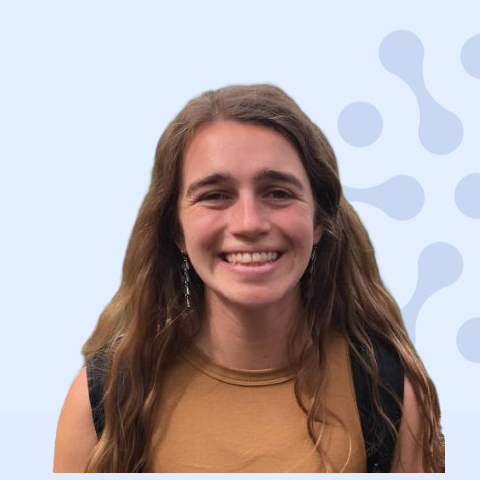
Lexie is a Cell and Gene Therapy scientist based in Lake Zurich, Illinois, USA. She earned her PhD in cell and molecular biology from West Virginia University and recently completed a postdoctoral fellowship at the University of South Carolina, both with a focus on developing genetic tools. Lexie joined the Fresenius Kabi Research team and now contributes to the EASYGEN Consortium, supporting Work Package 7 by advising on analytical and technical aspects for the development of next-generation CAR-T manufacturing processes and equipment.
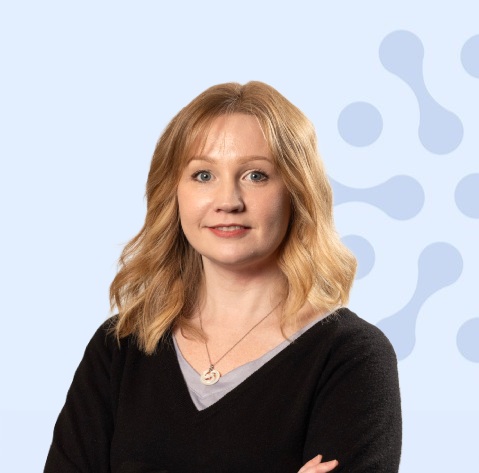
Paige is a Cell and Gene Therapy R&D scientist based in Lake Zurich, Illinois,USA, with a background in cell and molecular biology. She earned both her Master of Science and PhD from Northern Illinois University (NIU), where she also served for five years as a research scientist and coordinator of the molecular biology/microscopy core laboratory. For the past three years, Paige has been part of the Fresenius Kabi Research and Advanced Technology team. As a contributor to the EASYGEN Consortium, she supports Work Package 7 and the development of next-generation CAR-T manufacturing processes and equipment through analytical applications, cell culture, and technical advising.
