EASYGEN partners
Discover the EASYGEN partners collaborating to enhance hospital workflows in CAR-T manufacturing and bring innovative therapies to patients faster

Discover the EASYGEN partners collaborating to enhance hospital workflows in CAR-T manufacturing and bring innovative therapies to patients faster
Scientific breakthroughs are only the beginning. Their impact ultimately depends on whether healthcare systems can deliver them to the patients who need them.
EASYGEN is bringing together science, technology and healthcare implementation to explore a fundamental question:How can Europe make advanced cell therapies more accessible, scalable and sustainable?
This work package establishes the project’s governance framework: the coordinator (FSE) oversees day-to-day administration, budget, and legal compliance, and scientific stewardship - organizing meetings, managing contracts, and ensuring that deliverables, milestones, and reports are delivered on time. It also sets up internal communication channels to keep all partners aligned, while implementing a proactive risk-management cycle (identification, analysis, mitigation, control) to address emerging threats. A data management plan is created and maintained to ensure consistency, accessibility, and integrity of project data across all work packages (WP1 - WP10). Finally, the setup of a scientific advisory board and ethics comittee ensures continuous scientific guidance and guarantees to uphold ethical standards throughout the project lifecycle.
Current and future CAR-T care processes are mapped, analyzed and enhanced under real-world constraints. Through expert interviews, and KPI definition, partners will build detailed process diagrams and quantitative baselines to inform discrete-event simulation models. These models will be calibrated, used for “what-if” analyses to develop resource concepts (layout, staffing, logistics) and contribute to the performance evaluation in WP3. In parallel, qualitative co-creation workshops with clinicians ensure that user insights drive the design of optimized workflows, SOPs, and training materials.
A PESTEL analysis and expert interviews map out all external influences and key actors to pinpoint the political, economic, social and regulatory factors that will shape technology adoption. It then translates stakeholder insights into prioritized technical and usability requirements via targeted questionnaires, ensuring the device meets real-world needs. Building on this, acceptance studies systematically gather and analyze stakeholders feedback to establish clear criteria for end-user buy-in, and a comprehensive cost-effectiveness model compares point-of-care versus conventional CAR-T therapies (including QALYs, long-term follow-ups, Monte Carlo sensitivity analysis, and workflow-driven cost inputs) to guide strategic decision-making.
WP4 defines and validates patient eligibility criteria to identify new cohorts who stand to benefit from the modular CAR-T device, leveraging clinical expertise and data analytics to model anticipated outcomes. A comprehensive market and competitor analysis maps current trends, barriers to entry, and growth projections, informing optimal positioning within healthcare systems. Finally, insights from WP2 are used for exploitation and sustainability strategies that outline clear commercialization pathways, partner engagement, and scalable roll-out plans to ensure long-term integration and impact of the innovation.
A robust regulatory roadmap is crafted for both the CGT proof-of-concept platform and the modular CAR-T procedure. Early engagement with Notified Bodies and competent authorities ensures that device classification, pre-clinical testing, and evolving regulations are addressed in real time. A detailed European regulatory landscape analysis across EU countries (starting with Germany, Spain) informs consultation with TÜV, PEI, EMA, and other agencies, while comprehensive GMP documentation - including validation plans, risk assessments, and supplier qualification - lays the groundwork for compliant manufacturing in WP6.
Refining and validating the consumable cassette and core instrument to meet GMP specifications for on-site CAR-T production is performed in this working package: partners will iterate on the Point-of-Care (PoC) - cell and gene therapy cassette design (affinity capture, washing, concentration) and verify cell-isolation performance (purity, viability, yield) across multiple donor samples. Standardized quality-control cartridges and protocols will be developed to automate cell counts, viability checks, and contamination assays, by stakeholder feedback from WP8. Finally, a Digital Twin will integrate process and quality control data into hospital EHR/LIMS systems, enabling real-time interoperability and streamlined clinical workflows.
Same-day CAR-T production is established and refined through the comparison of novel vector and gene-editing strategies with classical methods. Both processes are then standardized to ensure consistent, clinical-scale use. It develops cutting-edge analytical assays - leveraging CRISPR off-target profiling, 3D ex vivo efficacy screens, and cytokine-release monitoring - to qualify edited cells for safety and potency. Finally, it conducts paired comparisons of the new rapid workflow versus traditional ex vivo culture to demonstrate equivalence or superiority in product quality.
Simulated onboarding workflows in hospital settings serve to pilot the point-of-care CAR-T platform, while also generating SOPs, training materials, and quality-management documents to assess personnel, infrastructure, and documentation requirements. Guided by insights from WP2 and WP3, this WP then conducts dry runs across partner sites, gathering usability feedback to iteratively refine device deployment and clinical processes while preparing for a clinical trial. Finally, interoperability tests validate data interfaces between the device, digital twin, and hospital IT systems, and a clinical study protocol is drafted alongside a comprehensive final report outlining logistics, user insights, and regulatory considerations.
To share EASYGEN’s findings with scientific, clinical, and public audiences the team develops a dynamic dissemination and communication strategy – featuring a unified brand identity, website, social media presence and toolkit for presentations and press releases. It conducts a literature review on CAR-T patient quality of life (QoL), including a patient questionnaire to assess patient-reported burden to access CAR-T cell therapy, to inform targeted messaging and convenes roundtable workshops with patient advocacy groups to co-create educational resources and a white paper on lived-experience insights. Ongoing stakeholder networking ensures that healthcare providers and patients are actively engaged throughout the project’s lifespan.
To ensure full compliance with applicable laws, regulations, and best practices, this working package defines an ethical framework and oversight structure guiding all research and device development activities. An ethics committee will be convened to review protocols, informed-consent materials, data-protection measures (e.g., GDPR compliance), and patient-safety procedures, providing guidance and approval at key milestones. Continuous monitoring and reporting mechanisms will be implemented to address any emerging ethical issues throughout the project lifecycle.
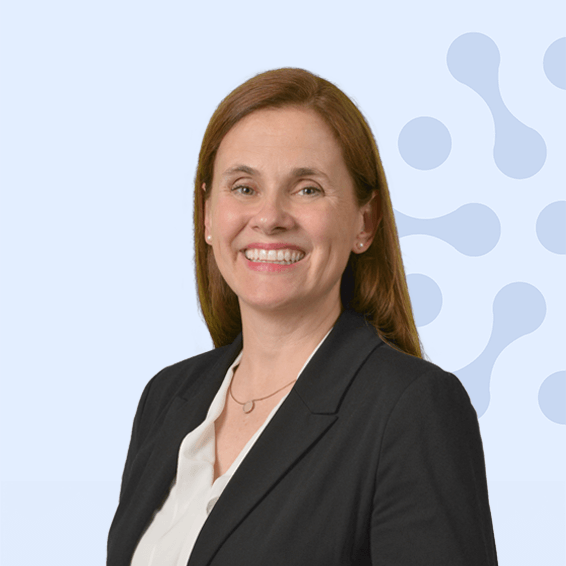

Sonja leads the EASYGEN Consortium as principal investigator. She is the Vice President and Head of the Research Office at Fresenius, bringing over 25 years of leadership experience in academia, biotech, medtech, and the pharmaceutical industry. She has held diverse senior roles at Fresenius Medical Care, from biomedical research to scientific affairs and global medical strategy. Her expertise spans medical device R&D, bioinformatics, and translational science, with a focus on cell and gene therapy innovation. She is known for her strategic mindset, cross-functional leadership, and commitment to impactful medical progress. With a doctorate in molecular genetics and an MBA in Biotech, Pharma & MedTech Management, she merges scientific rigor with business-driven healthcare innovation.
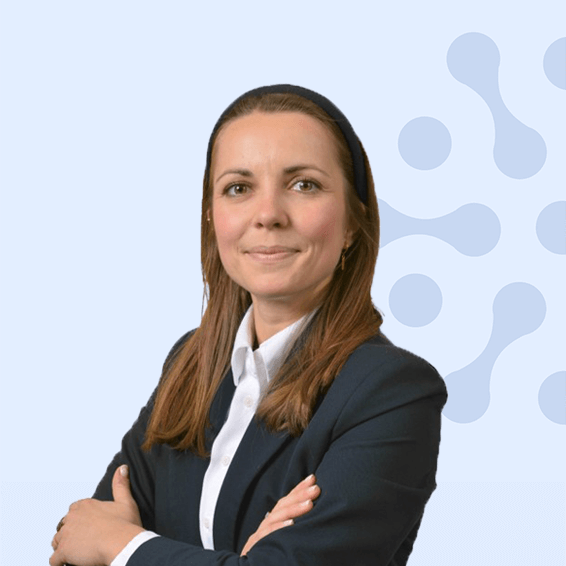
Rebecca Scheiwe is Senior Manager of Academic Collaboration at Fresenius, based in Bad Homburg. With a Master’s in Biochemistry from Goethe University Frankfurt, she leads partnerships between academia, industry, and healthcare to drive R&D and technology transfer. In the EASYGEN consortium, she leads Work Package 4 – Patient-centric market readiness and sustainability, focusing on patient eligibility for CAR-T therapies, market analysis, and strategies to ensure sustainable integration and exploitation of project innovations in healthcare systems.
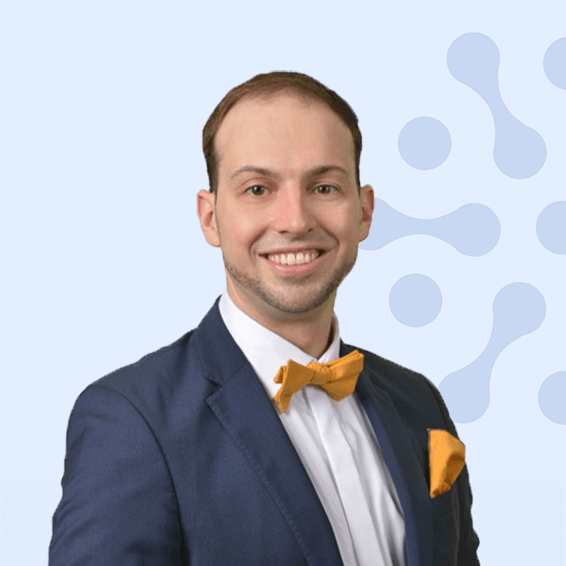
Dominik is an innovation management specialist active in the biomedicine and med-tech sectors. He supports digital health and med-tech projects as a thought and action partner, excelling in ideation, stakeholder alignment, and strategic implementation. Skilled in driving early-stage innovation, Dominik merges technical understanding with business acumen to advance product development, regulatory readiness, and market adoption. His approach combines creative problem-solving with strong collaboration and communication across interdisciplinary teams.

Vivian Längst is a biomedicine-trained project and innovation professional active at the interface of research, healthcare, and industry. As Junior Manager Scientific Project Coordination at Fresenius, she supports international research and innovation initiatives through stakeholder engagement, operational management, and quality-driven project execution. Within the EASYGEN consortium, she contributes to the coordination and implementation of activities aimed at improving access to advanced cell and gene therapies across Europe. Combining scientific expertise with strong communication, innovation, and organizational skills, Vivian helps translate ambitious research goals into impactful and sustainable outcomes.
A PESTEL analysis and expert interviews map out all external influences and key actors to pinpoint the political, economic, social and regulatory factors that will shape technology adoption. It then translates stakeholder insights into prioritized technical and usability requirements via targeted questionnaires, ensuring the device meets real-world needs. Building on this, acceptance studies systematically gather and analyze stakeholders feedback to establish clear criteria for end-user buy-in, and a comprehensive cost-effectiveness model compares point-of-care versus conventional CAR-T therapies (including QALYs, long-term follow-ups, Monte Carlo sensitivity analysis, and workflow-driven cost inputs) to guide strategic decision-making.
A robust regulatory roadmap is crafted for both the CGT proof-of-concept platform and the modular CAR-T procedure. Early engagement with Notified Bodies and competent authorities ensures that device classification, pre-clinical testing, and evolving regulations are addressed in real time. A detailed European regulatory landscape analysis across EU countries (starting with Germany, Spain) informs consultation with TÜV, PEI, EMA, and other agencies, while comprehensive GMP documentation - including validation plans, risk assessments, and supplier qualification - lays the groundwork for compliant manufacturing in WP6.
Refining and validating the consumable cassette and core instrument to meet GMP specifications for on-site CAR-T production is performed in this working package: partners will iterate on the Point-of-Care (PoC) - cell and gene therapy cassette design (affinity capture, washing, concentration) and verify cell-isolation performance (purity, viability, yield) across multiple donor samples. Standardized quality-control cartridges and protocols will be developed to automate cell counts, viability checks, and contamination assays, by stakeholder feedback from WP8. Finally, a Digital Twin will integrate process and quality control data into hospital EHR/LIMS systems, enabling real-time interoperability and streamlined clinical workflows.
Same-day CAR-T production is established and refined through the comparison of novel vector and gene-editing strategies with classical methods. Both processes are then standardized to ensure consistent, clinical-scale use. It develops cutting-edge analytical assays - leveraging CRISPR off-target profiling, 3D ex vivo efficacy screens, and cytokine-release monitoring - to qualify edited cells for safety and potency. Finally, it conducts paired comparisons of the new rapid workflow versus traditional ex vivo culture to demonstrate equivalence or superiority in product quality.
Simulated onboarding workflows in hospital settings serve to pilot the point-of-care CAR-T platform, while also generating SOPs, training materials, and quality-management documents to assess personnel, infrastructure, and documentation requirements. Guided by insights from WP2 and WP3, this WP then conducts dry runs across partner sites, gathering usability feedback to iteratively refine device deployment and clinical processes while preparing for a clinical trial. Finally, interoperability tests validate data interfaces between the device, digital twin, and hospital IT systems, and a clinical study protocol is drafted alongside a comprehensive final report outlining logistics, user insights, and regulatory considerations.
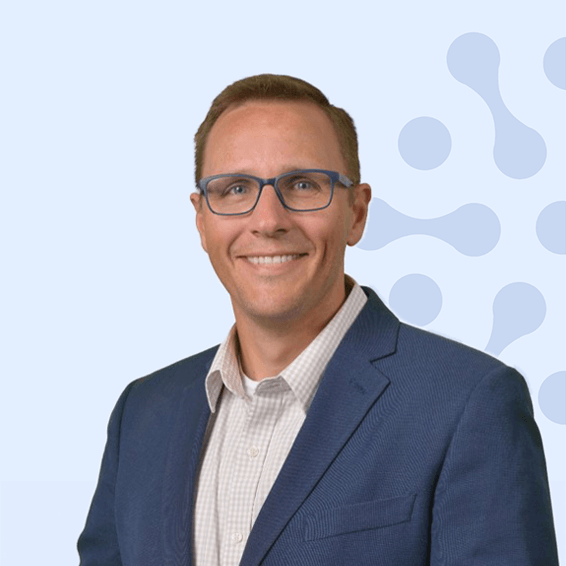

Christopher is Director of Cell Therapy R&D at Fresenius Kabi USA, where he leads a multi disciplinary team in developing next-generation cell processing technologies. With over 13 years at Fresenius and a background in biomedical engineering, he has pioneered innovations in closed-system cell washing, cryopreservation, and membrane separation. A named inventor on several patents and an author of peer-reviewed publications, Christopher combines technical leadership with deep expertise in device design for cell and gene therapies.
Alexander is a Senior Research and Development Engineer at Fresenius Kabi USA, where he has worked since April 2021. He specializes in the development of innovative blood processing applications, utilizing advanced tools such as Solid Works, MATLAB, and 3D printing. Prior to this, Alexander served as an R&D Engineer at Sunstar Americas and gained valuable experience through a multi-term co-op with Fresenius Kabi, designing and testing prototypes for various medical devices. He holds a Bachelor of Science in Biomedical Engineering from Rose-Hulman Institute of Technology, with a concentration in Biomedical Instrumentation.
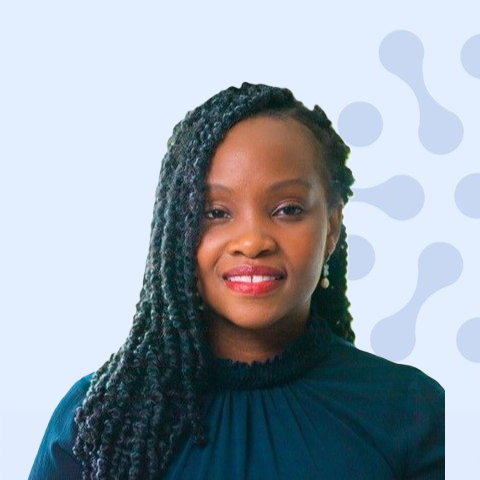
Kaluki is an accomplished certified regulatory professional serving as a Manager in Regulatory Affairs for the Cell and Gene therapy and Plasma products at Fresenius Kabi. With a scientific background in Chemistry and a regulatory career spanning multiple industries – including medical devices, cell therapies, pharmaceutical and consumer goods, she brings a broad regulatory perspective and a deep understanding of diverse regulatory frameworks. This versatility enables her to develop effective solutions to complex regulatory challenges, especially in emerging areas such as CGT. She is a contributor to the EASYGEN Consortium WP5 by providing relevant inputs into the regulatory strategies aimed at closing gaps in the CGT EU regulatory framework, specifically for automated cell therapy products.
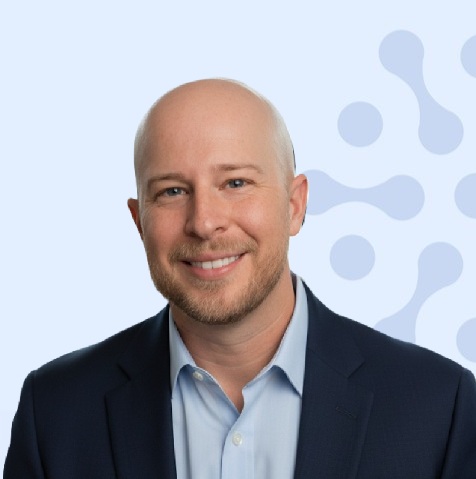
Kyle is a Senior Principal Engineer in the Cell and Gene Therapy R&D group based in Lake Zurich, Illinois, USA, with expertise in advanced engineering systems and cross-functional product development. He holds both a Master of Science in Biomedical Engineering from the University of Michigan. With over 10 years at Fresenius Kabi, Kyle has played key roles in the development of the Lovo and Cue Cell Processing systems. As a contributor to the EASYGEN Consortium, he supports the advancement of next-generation CAR-T manufacturing technologies.
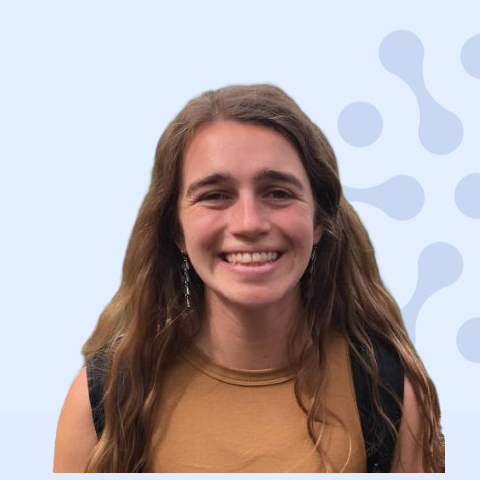
Lexie is a Cell and Gene Therapy scientist based in Lake Zurich, Illinois, USA. She earned her PhD in cell and molecular biology from West Virginia University and recently completed a postdoctoral fellowship at the University of South Carolina, both with a focus on developing genetic tools. Lexie joined the Fresenius Kabi Research team and now contributes to the EASYGEN Consortium, supporting Work Package 7 by advising on analytical and technical aspects for the development of next-generation CAR-T manufacturing processes and equipment.
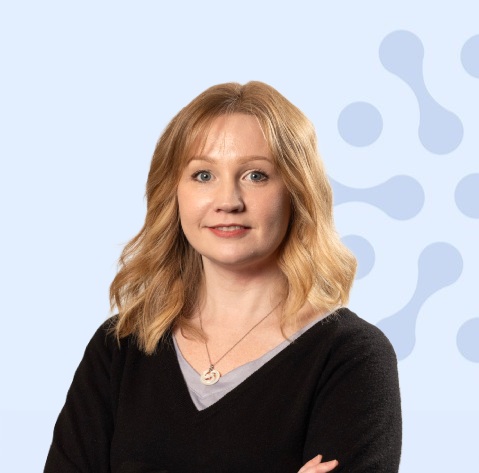
Paige is a Cell and Gene Therapy R&D scientist based in Lake Zurich, Illinois,USA, with a background in cell and molecular biology. She earned both her Master of Science and PhD from Northern Illinois University (NIU), where she also served for five years as a research scientist and coordinator of the molecular biology/microscopy core laboratory. For the past three years, Paige has been part of the Fresenius Kabi Research and Advanced Technology team. As a contributor to the EASYGEN Consortium, she supports Work Package 7 and the development of next-generation CAR-T manufacturing processes and equipment through analytical applications, cell culture, and technical advising.
A robust regulatory roadmap is crafted for both the CGT proof-of-concept platform and the modular CAR-T procedure. Early engagement with Notified Bodies and competent authorities ensures that device classification, pre-clinical testing, and evolving regulations are addressed in real time. A detailed European regulatory landscape analysis across EU countries (starting with Germany, Spain) informs consultation with TÜV, PEI, EMA, and other agencies, while comprehensive GMP documentation - including validation plans, risk assessments, and supplier qualification - lays the groundwork for compliant manufacturing in WP6.
Simulated onboarding workflows in hospital settings serve to pilot the point-of-care CAR-T platform, while also generating SOPs, training materials, and quality-management documents to assess personnel, infrastructure, and documentation requirements. Guided by insights from WP2 and WP3, this WP then conducts dry runs across partner sites, gathering usability feedback to iteratively refine device deployment and clinical processes while preparing for a clinical trial. Finally, interoperability tests validate data interfaces between the device, digital twin, and hospital IT systems, and a clinical study protocol is drafted alongside a comprehensive final report outlining logistics, user insights, and regulatory considerations.
Refining and validating the consumable cassette and core instrument to meet GMP specifications for on-site CAR-T production is performed in this working package: partners will iterate on the Point-of-Care (PoC) - cell and gene therapy cassette design (affinity capture, washing, concentration) and verify cell-isolation performance (purity, viability, yield) across multiple donor samples. Standardized quality-control cartridges and protocols will be developed to automate cell counts, viability checks, and contamination assays, by stakeholder feedback from WP8. Finally, a Digital Twin will integrate process and quality control data into hospital EHR/LIMS systems, enabling real-time interoperability and streamlined clinical workflows.
To ensure full compliance with applicable laws, regulations, and best practices, this working package defines an ethical framework and oversight structure guiding all research and device development activities. An ethics committee will be convened to review protocols, informed-consent materials, data-protection measures (e.g., GDPR compliance), and patient-safety procedures, providing guidance and approval at key milestones. Continuous monitoring and reporting mechanisms will be implemented to address any emerging ethical issues throughout the project lifecycle.
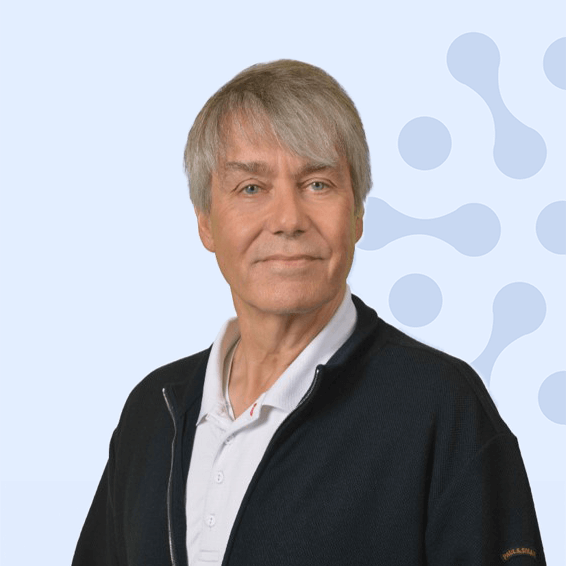

Bertram is the Chief Physician of Hematology and Cell Therapy and the Director of the Hematology and Stem Cell Transplantation Center at Helios Klinikum Berlin-Buch. His specialization includes malignant lymphomas, acute leukemia, and cell therapy, particularly CAR-T therapies. He is an active member of the German Lymphoma Alliance and serves as the speaker of the aggressive lymphoma subcommittee of EBMT. Bertram has dedicated his career to clinical research and the application of cutting-edge treatments in hematology and immunotherapy.
Emin is a board-certified specialist in internal medicine, hematology, and oncology at Helios Klinikum Berlin-Buch, based in Schwanebecker Chaussee, Berlin. He provides both inpatient and outpatient care through the hospital’s internal medicine and hematology – cell therapy clinic. With expertise in the diagnosis and management of complex hematologic and oncologic conditions, he delivers comprehensive patient care and collaborates across interdisciplinary tumor boards and treatment teams.
Johanna is a board-certified oncologist (Fachärztin für Onkologie) serving as an attending physician at Helios Klinikum Berlin-Buch’s Hematology/Oncology department. She provides expert cancer diagnosis and treatment in both inpatient and outpatient settings and collaborates closely within interdisciplinary tumor boards. Johanna is recognized for her commitment to patient-centered, evidence-based oncology care at a major academic medical center in Berlin.
Lisa is Senior Physician and Quality Management Lead in Internal Medicine at Helios Clinic Berlin-Buch. A specialist in internal medicine with an additional qualification in palliative care, she is completing her sub-specialization in hemato-oncology and has experience in treating malignant lymphomas and administering advanced cell therapies, including CAR-T approaches. Passionate about integrating clinical care with innovative therapies, Lisa drives quality initiatives and multidisciplinary collaboration within the hematology and stem cell transplantation unit.
Anna is a Board-Certified Physician in training at Helios Klinikum Berlin-Buch, where she serves as Assistant Resident in Hematology and Cell Therapy and heads the Clinical Trials Office. She specializes in malignant lymphomas and immunotherapy, notably pioneering CAR-T cell treatment for patients with central nervous system (CNS) lymphoma — an area traditionally excluded from trials. Her retrospective study, demonstrating comparable efficacy and safety in CNS lymphoma cases, earned first prize at the 2024 Helios Clinical Congress and is shaping new treatment standards.
Simulated onboarding workflows in hospital settings serve to pilot the point-of-care CAR-T platform, while also generating SOPs, training materials, and quality-management documents to assess personnel, infrastructure, and documentation requirements. Guided by insights from WP2 and WP3, this WP then conducts dry runs across partner sites, gathering usability feedback to iteratively refine device deployment and clinical processes while preparing for a clinical trial. Finally, interoperability tests validate data interfaces between the device, digital twin, and hospital IT systems, and a clinical study protocol is drafted alongside a comprehensive final report outlining logistics, user insights, and regulatory considerations.


Cristina is a medical specialist in oncology with over 10 years of experience. She hold her PhD from the Autonomous University of Madrid, receiving the Extraordinary Doctoral Award. She is currently the Corporate Director of Healthcare and Research at Quirónsalud.

Ion is a senior researcher with 15 years of experience in oncology and a PhD in cellular and molecular biology from the University of Navarra. He is currently the corporate scientific coordinator within the clinical and research management team at Quirónsalud.
Isabel is corporate deputy director at a leading Spanish biosanitary organization, with over 15 years of experience in biomedical research management and promotion. Holding a doctorate in Biology, she specializes in the strategic development of R&D programs, fostering scientific collaborations, securing funding, and liaising with academic and industry partners. Her work supports sustainable innovation and accelerates the translation of research into healthcare solutions. A proven leader in research governance, Isabel drives impact in the bioscience sector both nationally and internationally.
Mariano holds a PhD in Biomedical Sciences and serves as Principal Investigator in advanced therapies and Head of the Cell Therapy Unit at the Health Research Institute of Fundación Jiménez Díaz University Hospital. His work focuses on the clinical translation of mesenchymal stem cells (pioneer in the isolation, characterization, culture, and use of ADSCs), the use of cellular secretome and exosomes, and the development of liquid biopsy methods in digestive cancers. As a pioneer in regenerative medicine, he has contributed to major clinical trials, GMP‑compliant cell‑based products, and innovations like Darvastrocell (Alofisel). He also co‑directs the UAM–Peaches Chair of Advanced Therapies and teaches at the Autonomous University of Madrid.
WP4 defines and validates patient eligibility criteria to identify new cohorts who stand to benefit from the modular CAR-T device, leveraging clinical expertise and data analytics to model anticipated outcomes. A comprehensive market and competitor analysis maps current trends, barriers to entry, and growth projections, informing optimal positioning within healthcare systems. Finally, insights from WP2 are used for exploitation and sustainability strategies that outline clear commercialization pathways, partner engagement, and scalable roll-out plans to ensure long-term integration and impact of the innovation.
A robust regulatory roadmap is crafted for both the CGT proof-of-concept platform and the modular CAR-T procedure. Early engagement with Notified Bodies and competent authorities ensures that device classification, pre-clinical testing, and evolving regulations are addressed in real time. A detailed European regulatory landscape analysis across EU countries (starting with Germany, Spain) informs consultation with TÜV, PEI, EMA, and other agencies, while comprehensive GMP documentation - including validation plans, risk assessments, and supplier qualification - lays the groundwork for compliant manufacturing in WP6.
Refining and validating the consumable cassette and core instrument to meet GMP specifications for on-site CAR-T production is performed in this working package: partners will iterate on the Point-of-Care (PoC) - cell and gene therapy cassette design (affinity capture, washing, concentration) and verify cell-isolation performance (purity, viability, yield) across multiple donor samples. Standardized quality-control cartridges and protocols will be developed to automate cell counts, viability checks, and contamination assays, by stakeholder feedback from WP8. Finally, a Digital Twin will integrate process and quality control data into hospital EHR/LIMS systems, enabling real-time interoperability and streamlined clinical workflows.
Same-day CAR-T production is established and refined through the comparison of novel vector and gene-editing strategies with classical methods. Both processes are then standardized to ensure consistent, clinical-scale use. It develops cutting-edge analytical assays - leveraging CRISPR off-target profiling, 3D ex vivo efficacy screens, and cytokine-release monitoring - to qualify edited cells for safety and potency. Finally, it conducts paired comparisons of the new rapid workflow versus traditional ex vivo culture to demonstrate equivalence or superiority in product quality.
To share EASYGEN’s findings with scientific, clinical, and public audiences the team develops a dynamic dissemination and communication strategy – featuring a unified brand identity, website, social media presence and toolkit for presentations and press releases. It conducts a literature review on CAR-T patient quality of life (QoL), including a patient questionnaire to assess patient-reported burden to access CAR-T cell therapy, to inform targeted messaging and convenes roundtable workshops with patient advocacy groups to co-create educational resources and a white paper on lived-experience insights. Ongoing stakeholder networking ensures that healthcare providers and patients are actively engaged throughout the project’s lifespan.

Ulrike is W3 Professor of Immuno-Oncology at the University of Leipzig, Director of the Institute for Clinical Immunology at Leipzig University Hospital, and Managing Director of the Fraunhofer Institute for Cell Therapy & Immunology (IZI). She studied biology and medicine at Goethe University Frankfurt, earning a PhD in pharmacology and a habilitation in experimental medicine, followed by a postdoctoral fellowship at MD Anderson Cancer Center. Since 2017, she has led Fraunhofer IZI’s cell and gene therapy division, advancing CAR T and CAR NK cell therapies through GMP-compliant processes, immunomonitoring, and EU collaborations like SaxoCell. Author of 190+ papers, she drives next-generation immunotherapies.
Michael is one of the foremost pioneers in CAR-T cell therapy, internationally renowned for his groundbreaking contributions to the design, development, and clinical translation of genetically engineered immune cells. As head of the Translational CAR-T Research Program at Universitätsklinikum Würzburg and coordinator of major European initiatives such as IMI T2EVOLVE and CAR FACTORY, he plays a central role in shaping the future of CAR-T therapies. His visionary leadership—spanning academia, clinical trials, and biotech innovation through T-CURX GmbH—has made him a driving force in bringing next-generation immunotherapies from the lab to the clinic.
Anna and her GMP Development Unit at Fraunhofer IZI are specialized in translating immature laboratory processes into GMP-compliant manufacturing workflows for immune-cell–based therapies. Her core competencies include GMP process optimization, upscaling, automation and quality control development for cell and gene therapies. She maintains a strong focus on the regulatory landscape for advanced therapy medicinal products (ATMPs) and immunotherapies, and leads process development for innovative cancer immunotherapy initiatives and new products. Her current research focuses on allogeneic T cell-based products, engineered NK cells and CAR macrophages for adoptive therapy.
David is a Scientific Project Manager at Universitätsklinikum Würzburg, affiliated with the Chair of Cellular Immunotherapy. He holds a doctorate in natural sciences and leads projects focused on translational immunotherapy approaches, including clinical study coordination, patenting strategies, grant acquisition, and regulatory compliance. David collaborates across interdisciplinary teams within centers for experimental molecular medicine and clinical trials, driving progress in immune-based therapies through structured scientific and administrative leadership.
Together with Anna, Katrin is the Co-Lead of the GMP Development Unit at Fraunhofer IZI, and senior scientist and project manager at Fraunhofer IZI’s Cellular Immunotherapy group in Würzburg, affiliated with Universitätsklinikum Würzburg’s Cellular Immunotherapy Chair. She oversees preclinical development of CAR-modified immune cells—designing and optimizing all steps of manufacturing including bioreactor-based activation and expansion, non-viral gene transfer, and in depth phenotypical and functional characterization. Her work advances automated CAR-T production platforms (e.g., AIDPATH) to improve access, quality, and timing of personalized cancer therapies.
Mirko is a Senior Project Manager at Fraunhofer IZI in Leipzig, where he coordinates EU-funded R&D initiatives in advanced therapy medicinal products (ATMPs) as well as internal and external GMP related education and training. With a background in biology (esp. immunology) and over 15 years of experience in GxP quality assurance, project development and translational innovation, he focuses on accelerating cell and gene therapy pipelines. Mirko bridges scientific, regulatory, and industrial stakeholders to deliver impactful innovation strategies in European biomedical research.
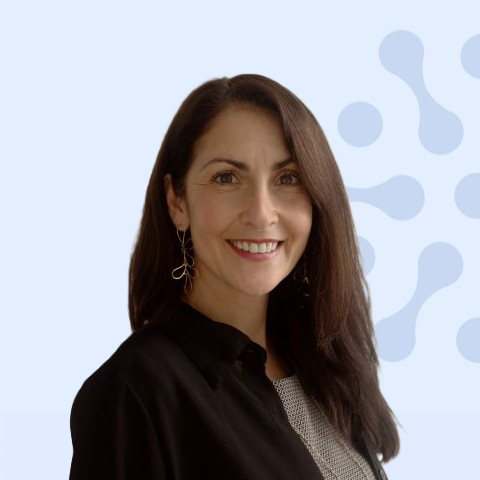
Carmen is a medical biotechnologist with a PhD in Molecular Biology and Medical Biotechnology and over seven years of industry experience in clinical operations and translational research. She is EU Initiatives Scientific & Strategic Project Lead at the Cellular Immunotherapy Program of the University Hospital Würzburg (UKW) and Executive Director of the T2EVOLVE Association. Carmen coordinates and contributes to multiple European initiatives in advanced therapies, with a strong focus on CAR-T and TCR cell therapies, regulatory science, manufacturing innovation, and patient access, and is committed to building sustainable, cross-stakeholder ecosystems across Europe.
Current and future CAR-T care processes are mapped, analyzed and enhanced under real-world constraints. Through expert interviews, and KPI definition, partners will build detailed process diagrams and quantitative baselines to inform discrete-event simulation models. These models will be calibrated, used for “what-if” analyses to develop resource concepts (layout, staffing, logistics) and contribute to the performance evaluation in WP3. In parallel, qualitative co-creation workshops with clinicians ensure that user insights drive the design of optimized workflows, SOPs, and training materials.
A PESTEL analysis and expert interviews map out all external influences and key actors to pinpoint the political, economic, social and regulatory factors that will shape technology adoption. It then translates stakeholder insights into prioritized technical and usability requirements via targeted questionnaires, ensuring the device meets real-world needs. Building on this, acceptance studies systematically gather and analyze stakeholders feedback to establish clear criteria for end-user buy-in, and a comprehensive cost-effectiveness model compares point-of-care versus conventional CAR-T therapies (including QALYs, long-term follow-ups, Monte Carlo sensitivity analysis, and workflow-driven cost inputs) to guide strategic decision-making.
A robust regulatory roadmap is crafted for both the CGT proof-of-concept platform and the modular CAR-T procedure. Early engagement with Notified Bodies and competent authorities ensures that device classification, pre-clinical testing, and evolving regulations are addressed in real time. A detailed European regulatory landscape analysis across EU countries (starting with Germany, Spain) informs consultation with TÜV, PEI, EMA, and other agencies, while comprehensive GMP documentation - including validation plans, risk assessments, and supplier qualification - lays the groundwork for compliant manufacturing in WP6.
Refining and validating the consumable cassette and core instrument to meet GMP specifications for on-site CAR-T production is performed in this working package: partners will iterate on the Point-of-Care (PoC) - cell and gene therapy cassette design (affinity capture, washing, concentration) and verify cell-isolation performance (purity, viability, yield) across multiple donor samples. Standardized quality-control cartridges and protocols will be developed to automate cell counts, viability checks, and contamination assays, by stakeholder feedback from WP8. Finally, a Digital Twin will integrate process and quality control data into hospital EHR/LIMS systems, enabling real-time interoperability and streamlined clinical workflows.
Simulated onboarding workflows in hospital settings serve to pilot the point-of-care CAR-T platform, while also generating SOPs, training materials, and quality-management documents to assess personnel, infrastructure, and documentation requirements. Guided by insights from WP2 and WP3, this WP then conducts dry runs across partner sites, gathering usability feedback to iteratively refine device deployment and clinical processes while preparing for a clinical trial. Finally, interoperability tests validate data interfaces between the device, digital twin, and hospital IT systems, and a clinical study protocol is drafted alongside a comprehensive final report outlining logistics, user insights, and regulatory considerations.
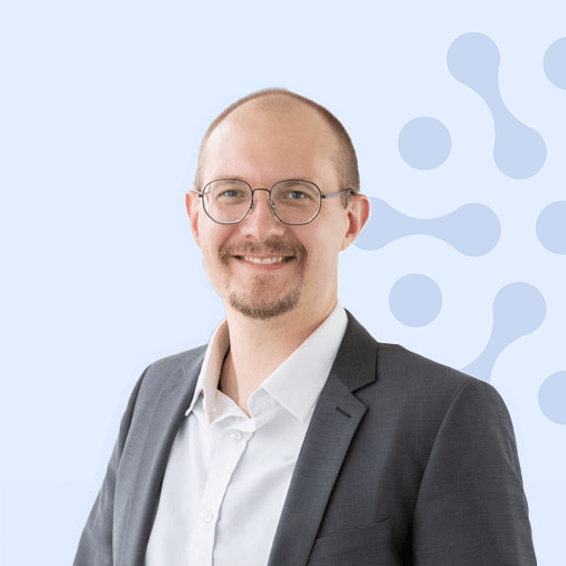

Patrick is the Head of the Digital Innovation Design department at Fraunhofer IESE in Kaiserslautern. Since 2017, he has led numerous cross-domain digital transformation projects in smart mobility, infrastructure, agriculture, and smart cities. A specialist in requirements engineering, user experience, and creativity-driven innovation, Patrick brings tailored digital solutions to industrial and research clients. His thought leadership on AI, digital ecosystems, and innovation engineering shapes both practice and public discourse in Germany.
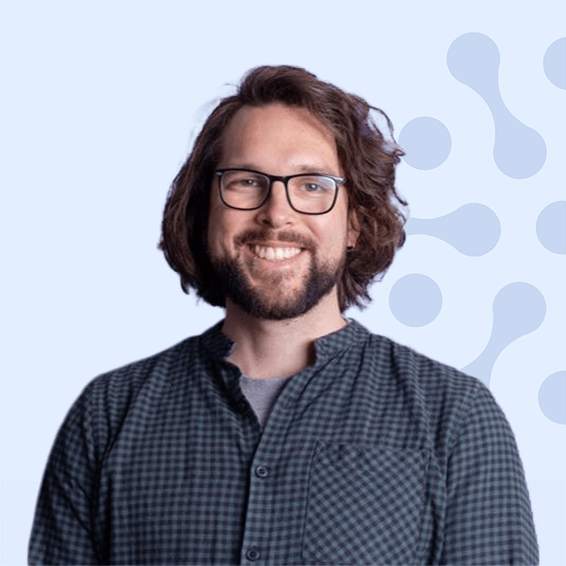
Stephan studied Biophysics at Humboldt University of Berlin with a focus on Systems Biology. Following additional training in data science, he joined the Digital Health Department at Fraunhofer IESE, where he develops solutions to enhancethe interoperability of digital healthcare systems. With his expertise, Stephan supports seamless communication between bedside devices and systems relevant to hospital workflows.
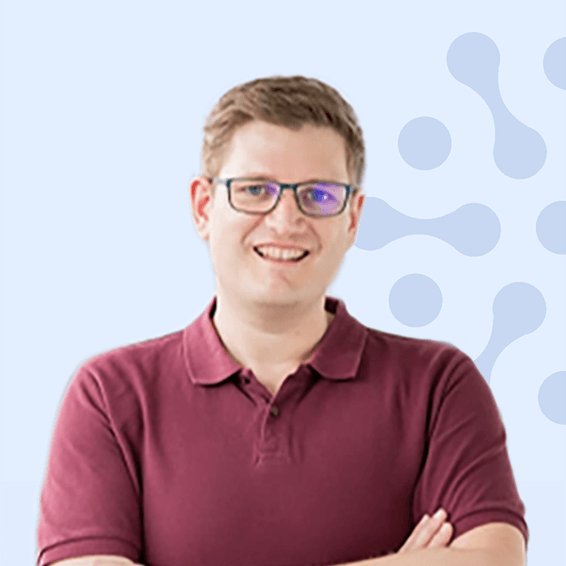
Eduard is a Senior Requirements Engineer and Project Manager at Fraunhofer IESE, where he focuses on digital design for complex systems and sustainability challenges. He leads initiatives in Crowd-Based Requirements Engineering and advises on digital data platforms across disciplines, including for agriculture. Eduard holds a PhD in Computer Science from the Utrecht University, where he explored the derivation of requirements from online user feedback.
Jean is a Data Scientist in the Digital Health Engineering department at Fraunhofer IESE, where he has worked since early 2024. He holds a Bachelor's degree in Bioinformatics from LMU/TU Munich and a Master’s degree (2023) from FU Berlin, specializing in Data Science. Prior to joining IESE, Jean worked as a DevOps Engineer. He produces research and blog articles on digital health topics—suchas FHIR/ISiK interoperability and digital biomarkers/patient twins—bridging bioinformatics, data engineering, and healthcare innovation.

Jill-Valerie is a Senior User Experience Designer & Product Owner at Fraunhofer IESE since 2017, based in Darmstadt. She holds a Master’s degree in Media Direction (Interaction Design) from Hochschule Darmstadt (2012). Jill leads agile, platform-centered projects in digital health, combining UX best practices including Lean UX and Design Sprints to craft intuitive web and app experiences. An experienced presenter at REFSQ conferences, she bridges interdisciplinary teams through creativity, user-centered design, and human-centric innovation.

Theresa is the Department Head of Digital Health Engineering at Fraunhofer IESE, where she leads interdisciplinary research on innovative digital health solutions,artificial intelligence, and interoperability for healthcare. With over ten years of experience in medical research, she has worked on diagnostic assay development and cancer therapies, including liquid biopsy techniques for circulating tumor cell analysis. She has held various postdoctoral positions incancer research, including work funded by the Marie Curie Fellowship, and has been involved in health technology assessment for medicinal products, particularly in immune-mediated and orphan diseases.
Siwara is working at Fraunhofer IESE since 2015, serving as a business area manager for embedded systems as well as a project lead. She has many years of experience in developing and integrating Industry 4.0 solutions with a focus on digital twins, interoperability, data spaces, and distributed software systems. In her work, she places particular emphasis on the user perspective and combines technical excellence with practical implementability in digital transformation.
Current and future CAR-T care processes are mapped, analyzed and enhanced under real-world constraints. Through expert interviews, and KPI definition, partners will build detailed process diagrams and quantitative baselines to inform discrete-event simulation models. These models will be calibrated, used for “what-if” analyses to develop resource concepts (layout, staffing, logistics) and contribute to the performance evaluation in WP3. In parallel, qualitative co-creation workshops with clinicians ensure that user insights drive the design of optimized workflows, SOPs, and training materials.
WP4 defines and validates patient eligibility criteria to identify new cohorts who stand to benefit from the modular CAR-T device, leveraging clinical expertise and data analytics to model anticipated outcomes. A comprehensive market and competitor analysis maps current trends, barriers to entry, and growth projections, informing optimal positioning within healthcare systems. Finally, insights from WP2 are used for exploitation and sustainability strategies that outline clear commercialization pathways, partner engagement, and scalable roll-out plans to ensure long-term integration and impact of the innovation.
Refining and validating the consumable cassette and core instrument to meet GMP specifications for on-site CAR-T production is performed in this working package: partners will iterate on the Point-of-Care (PoC) - cell and gene therapy cassette design (affinity capture, washing, concentration) and verify cell-isolation performance (purity, viability, yield) across multiple donor samples. Standardized quality-control cartridges and protocols will be developed to automate cell counts, viability checks, and contamination assays, by stakeholder feedback from WP8. Finally, a Digital Twin will integrate process and quality control data into hospital EHR/LIMS systems, enabling real-time interoperability and streamlined clinical workflows.
Simulated onboarding workflows in hospital settings serve to pilot the point-of-care CAR-T platform, while also generating SOPs, training materials, and quality-management documents to assess personnel, infrastructure, and documentation requirements. Guided by insights from WP2 and WP3, this WP then conducts dry runs across partner sites, gathering usability feedback to iteratively refine device deployment and clinical processes while preparing for a clinical trial. Finally, interoperability tests validate data interfaces between the device, digital twin, and hospital IT systems, and a clinical study protocol is drafted alongside a comprehensive final report outlining logistics, user insights, and regulatory considerations.
To share EASYGEN’s findings with scientific, clinical, and public audiences the team develops a dynamic dissemination and communication strategy – featuring a unified brand identity, website, social media presence and toolkit for presentations and press releases. It conducts a literature review on CAR-T patient quality of life (QoL), including a patient questionnaire to assess patient-reported burden to access CAR-T cell therapy, to inform targeted messaging and convenes roundtable workshops with patient advocacy groups to co-create educational resources and a white paper on lived-experience insights. Ongoing stakeholder networking ensures that healthcare providers and patients are actively engaged throughout the project’s lifespan.

Vivienne has over 18 years’ experience in commercialisation of analytical and life science tools. In 2023, following an offer from a US company to acquire Cellix; Vivienne negotiated the sale of Cellix to Randox, a diagnostics company based in Northern Ireland. Vivienne now works closely with Randox R&D teams, transferring Cellix’s knowledge in microfluidics to adapt, develop and improve their biochip offering for diagnostics.
Dmitry is responsible for directing and leading the R&D team at Cellix. Dmitry has successfully brought technology, through the product development lifecycle (from TRL1 to TRL9) in a highly technical field resulting in steady product sales and growth of revenues for Cellix. Dmitry strategically identifies areas in which Cellix should innovate and develops technology building blocks; adding new and complementary technologies to our product development pipeline, including cell analysis, sorting and gene transfection on-chip.
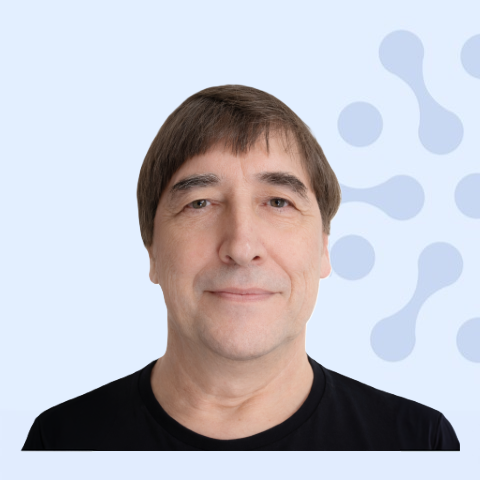
Michael is a highly experienced embedded and software systems engineer with over 30 years of expertise across Europe in firmware development, real-time systems, and low-level hardware integration. Currently serving as a Software Developer at Cellix Ltd., he has contributed to mission-critical systems in aerospace, telecommunications, and medical instrumentation. His deep proficiency in C/C++, Java, and assembler on Linux, Solaris, and embedded platforms is complemented by a strong background in microcontroller-based systems and industrial instrumentation.

Toby is an experienced Applications Specialist with a strong background inbiotechnology and microfluidics. He has been with Cellix Ltd. since 2010, combining deep technical expertise in cell culture, molecular biology, and analytical instrumentation with broad international experience in product development, training, and support.
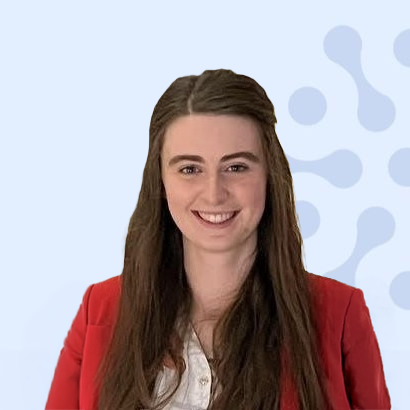
Frances recently completed a PhD in Physics, which included 4.5 years of instrumentation research and development. She is now applying these skills asan R&D Engineer at Cellix Ltd. Her experience includes CAD modelling (SolidWorks), prototype development, and the planning and execution of experimental work.
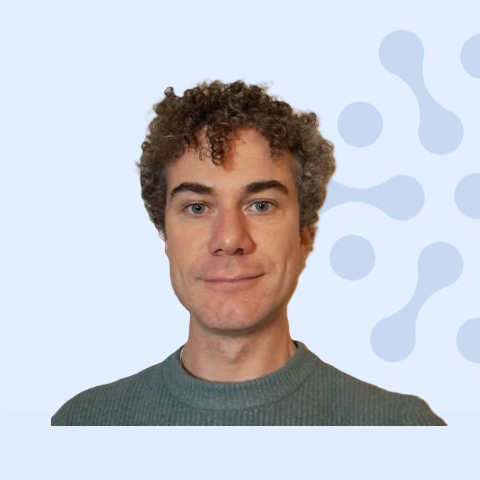
Killian is a Senior R&D Engineer at Cellix Ltd. with a background in physics and a PhD from Trinity College Dublin, completed in 2020. He has over five years of industry experience in microfluidics, device design and development, machine learning and data analysis.
Current and future CAR-T care processes are mapped, analyzed and enhanced under real-world constraints. Through expert interviews, and KPI definition, partners will build detailed process diagrams and quantitative baselines to inform discrete-event simulation models. These models will be calibrated, used for “what-if” analyses to develop resource concepts (layout, staffing, logistics) and contribute to the performance evaluation in WP3. In parallel, qualitative co-creation workshops with clinicians ensure that user insights drive the design of optimized workflows, SOPs, and training materials.
To share EASYGEN’s findings with scientific, clinical, and public audiences the team develops a dynamic dissemination and communication strategy – featuring a unified brand identity, website, social media presence and toolkit for presentations and press releases. It conducts a literature review on CAR-T patient quality of life (QoL), including a patient questionnaire to assess patient-reported burden to access CAR-T cell therapy, to inform targeted messaging and convenes roundtable workshops with patient advocacy groups to co-create educational resources and a white paper on lived-experience insights. Ongoing stakeholder networking ensures that healthcare providers and patients are actively engaged throughout the project’s lifespan.
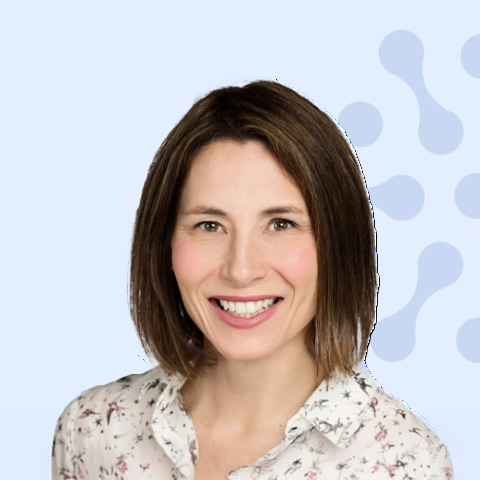

Louise is a Project Manager at the EBMT with a Master of Science in Advancing Professional Healthcare Practice and an NHS Award in Executive Healthcare Leadership from the NHS Leadership Academy. She has over 10 years of clinical experience in the field of Haemato-Oncology, having served in roles such as Apheresis Specialist Nurse and Nurse Director. Louise is passionate about patient and family engagement, as well as enhancing the quality and governance of care. Her additional roles include serving as a JACIE inspector, Specialist Advisor for the Care Quality Commission (UK), and Associate Director of Private Care at The Royal Marsden in London.
Tuula is the Director for Quality of Care and Advocacy at the EBMT. She holds a Master of Science in Public Services Policy and Management as well as a Master of Business Administration. Originally from Finland, she is a qualified Registered Nurse with over 20 years of clinical experience in the UK’s National Health Service. Her roles have included Clinical Nurse Specialist in Bone Marrow Transplantation and Apheresis, Quality Manager, and Service Manager. Tuula has been a JACIE inspector since 2008, served on the JACIE Accreditation Committeefrom 2016 to 2022, and chaired the JACIE Inspector Committee from 2020 to 2022. She has also contributed to the development of the 6th, 7th, and 8th editions of the FACT-JACIE Standards as a member of the corresponding review committees.
Anna Sureda is a clinical haematologist internationally recognized for her expertise in haematopoietic stem cell transplantation and cellular therapies. She is Head of the Haematology Department at the Institut Català d’Oncologia (ICO) in L’Hospitalet, Barcelona, Spain, and Associate Professor of Haematology at the University of Barcelona. Her clinical and research interests focus on lymphoid malignancies, particularly Hodgkin and non-Hodgkin lymphomas, using innovative transplant strategies and immunotherapeutic approaches, including CAR-T cell therapy. She has contributed significantly to advances in supportive care and the management of transplant-related complications. She is currently President of EBMT until 2026, having previously served as EBMT Secretary (2010–2016) and Chair of the Lymphoma Working Party (2004–2010).

Natacha is a global patient advocacy leader dedicated to improving care and quality of life for people with lymphoma. As Head of Membership & Alliances at Lymphoma Coalition, she supports more than 90 patient organizations worldwide, strengthens strategic partnerships, and advances patient-centred initiatives. With a background in cancer rehabilitation and as a EUPATI Fellow, she brings expertise in patient advocacy, education, and alliance management. Since 2017, she has worked to amplify patient voices in healthcare and policy, including coordinating the Harmony T-Cell Lymphoma Consortium. She serves on several European committees, chairs the EBMT Patient Advocacy Committee, and contributes patient perspectives to regulatory discussions as an observer to the European Medicines Agency.
WP4 defines and validates patient eligibility criteria to identify new cohorts who stand to benefit from the modular CAR-T device, leveraging clinical expertise and data analytics to model anticipated outcomes. A comprehensive market and competitor analysis maps current trends, barriers to entry, and growth projections, informing optimal positioning within healthcare systems. Finally, insights from WP2 are used for exploitation and sustainability strategies that outline clear commercialization pathways, partner engagement, and scalable roll-out plans to ensure long-term integration and impact of the innovation.
Same-day CAR-T production is established and refined through the comparison of novel vector and gene-editing strategies with classical methods. Both processes are then standardized to ensure consistent, clinical-scale use. It develops cutting-edge analytical assays - leveraging CRISPR off-target profiling, 3D ex vivo efficacy screens, and cytokine-release monitoring - to qualify edited cells for safety and potency. Finally, it conducts paired comparisons of the new rapid workflow versus traditional ex vivo culture to demonstrate equivalence or superiority in product quality.

Ayal is a Professor at the Institute for Nanotechnology and Advanced Materials, The Mina and Everard Goodman Faculty of Life Sciences, Bar-Ilan University, bringing extensive expertise in genome engineering and DNA repair. He earned his PhD in Biochemistry from the Weizmann Institute of Science and completed postdoctoral training in genome engineering at Stanford University School of Medicine. As head of a research lab developing safe and effective CRISPR-based therapies for monogenic diseases and cancer, he leads efforts to advance methods that rigorously assess and improve the precision of gene editing by detecting and minimizing off-target effects.
Nechama is a PhD candidate in the Department of Life Sciences at Bar-Ilan University, conducting her research in the laboratory of Prof. Ayal Hendel. She holds an M.Sc. in Molecular Biology (cum laude) and a B.Sc. in Neuroscience (magna cum laude). Nechama brings extensive expertise in the bioinformatic analysis of genome-editing safety, with a particular focus on the identification and quantification of off-target activity.
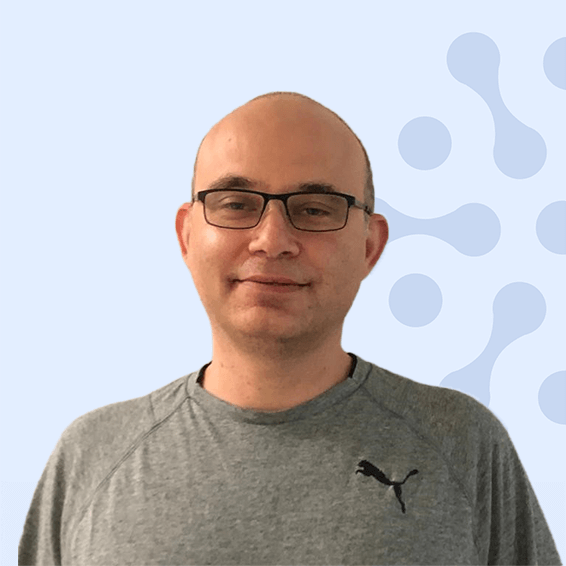
Michael is a Research Associate in the laboratory of Prof. Ayal Hendel at the Departmentof Life Sciences, Bar-Ilan University. He holds a PhD in Biochemistry from Hebrew University and conducted postdoctoral studies on protein-RNA interactions in gene expression at Massachusetts General Hospital, Harvard Medical School. Michael is an expert in genome-wide analysis of CRISPR off-target activity and is currently engaged in implementing innovative genome editing methods with a strong emphasis on safety.
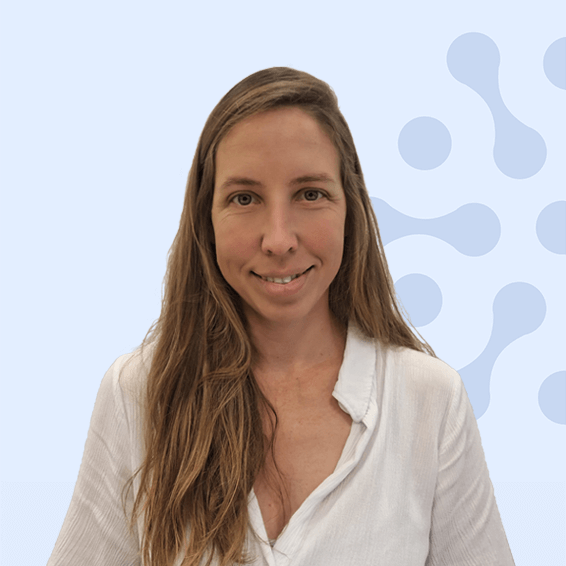
Rotem is a PhD candidate in the Life Sciences Department at Bar-Ilan University, conducting her doctoral research in the laboratory of Prof. Ayal Hendel. Her work focuses on advanced T-cell immunotherapy, with an emphasis on the discovery, characterization, and functional evaluation of T-cell receptors. She specializes in editing primary T-cells and leads the development of a modular platform for engineered T-cell receptor evaluation, with the aim of translating this into clinically relevant applications.
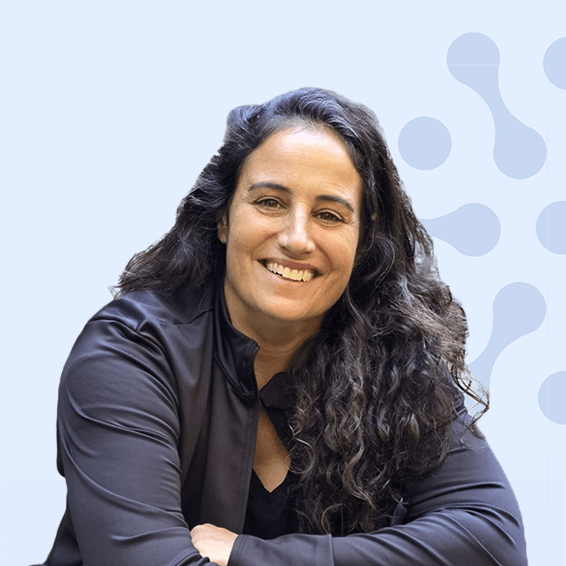
Adi is the Lab Administrator in Prof. Ayal Hendel’s lab at the Department of Life Sciences, Bar-Ilan University. She holds a PhD in Life Sciences from Tel Aviv University, specializing in circadian biology, and completed postdoctoral research at Bar-Ilan University investigating the mechanisms and potential treatments for thyroid hormone-related neurodevelopmental disorders. Drawing on her strong scientific background and organizational skills, Adi oversees daily lab operations and provides comprehensive administrative support to facilitate the lab’s research goals.
Current and future CAR-T care processes are mapped, analyzed and enhanced under real-world constraints. Through expert interviews, and KPI definition, partners will build detailed process diagrams and quantitative baselines to inform discrete-event simulation models. These models will be calibrated, used for “what-if” analyses to develop resource concepts (layout, staffing, logistics) and contribute to the performance evaluation in WP3. In parallel, qualitative co-creation workshops with clinicians ensure that user insights drive the design of optimized workflows, SOPs, and training materials.
A PESTEL analysis and expert interviews map out all external influences and key actors to pinpoint the political, economic, social and regulatory factors that will shape technology adoption. It then translates stakeholder insights into prioritized technical and usability requirements via targeted questionnaires, ensuring the device meets real-world needs. Building on this, acceptance studies systematically gather and analyze stakeholders feedback to establish clear criteria for end-user buy-in, and a comprehensive cost-effectiveness model compares point-of-care versus conventional CAR-T therapies (including QALYs, long-term follow-ups, Monte Carlo sensitivity analysis, and workflow-driven cost inputs) to guide strategic decision-making.
WP4 defines and validates patient eligibility criteria to identify new cohorts who stand to benefit from the modular CAR-T device, leveraging clinical expertise and data analytics to model anticipated outcomes. A comprehensive market and competitor analysis maps current trends, barriers to entry, and growth projections, informing optimal positioning within healthcare systems. Finally, insights from WP2 are used for exploitation and sustainability strategies that outline clear commercialization pathways, partner engagement, and scalable roll-out plans to ensure long-term integration and impact of the innovation.
Simulated onboarding workflows in hospital settings serve to pilot the point-of-care CAR-T platform, while also generating SOPs, training materials, and quality-management documents to assess personnel, infrastructure, and documentation requirements. Guided by insights from WP2 and WP3, this WP then conducts dry runs across partner sites, gathering usability feedback to iteratively refine device deployment and clinical processes while preparing for a clinical trial. Finally, interoperability tests validate data interfaces between the device, digital twin, and hospital IT systems, and a clinical study protocol is drafted alongside a comprehensive final report outlining logistics, user insights, and regulatory considerations.
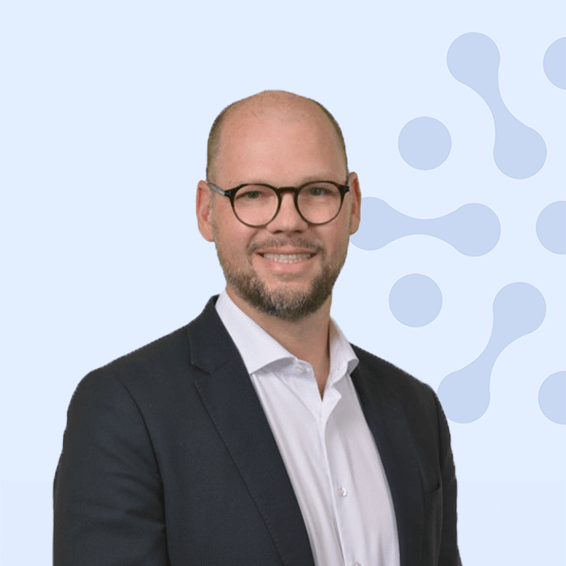

Jens is a Professor of Decision Science in Healthcare at the Department of Technology, Management, and Economics at the Technical University of Denmark (DTU). He previously held a professorship in Health Care Operations and Health Information Management at the Faculty of Business and Economics at the University of Augsburg and served as (co-)director of the University Center for Health Care at Klinikum Augsburg (UNIKA-T). Jens earned his PhD from the TUM School of Management in 2009. His research focuses on the design and analysisof service systems in the healthcare sector using quantitative methods.
Michael is an Associate Professor in the Operations and Supply Chain Management Section at the Department of Technology, Management, and Economics at the Technical University of Denmark (DTU). He holds a PhD from DTU (2012) and specializes indeveloping decision support systems using cost-benefit analysis, risk assessment, and multi-criteria decision analysis to evaluate financial, social, and environmental factors. His research emphasizes practical application and is frequently conducted in close collaboration with industry partners.
.png)
Benjamin is an Assistant Professor (tenure track) in the Department of Technology, Management and Economics at the Technical University of Denmark (DTU). He earned his doctorate in Science & Technology Studies from the Technical University of Munich in 2019, then served as a Marie Curie Fellow at Cornell and Hamburg before joining DTU in 2023. His research investigates human-technology interaction in contexts of digitised healthcare using qualitative and co-creative methods. In his work, he aims to foster systems of human-centred logistics through user research and inclusion.
Catrina is a PhD student in Healthcare Management at the Department of Technology, Management, and Economics at the Technical University of Denmark (DTU). Catrina has a dual background in Biochemistry and Management and has worked as a strategy consultant in the healthcare sector at McKinsey and BCG. Catrina holds degrees in Molecular Biosciences from the University of Bath and Management from the London School of Economics and Political Science. In the realm of the PhD, Catrina’s focus is on researching and simulating the CAR-T cell process and identifying optimization potentials.
A PESTEL analysis and expert interviews map out all external influences and key actors to pinpoint the political, economic, social and regulatory factors that will shape technology adoption. It then translates stakeholder insights into prioritized technical and usability requirements via targeted questionnaires, ensuring the device meets real-world needs. Building on this, acceptance studies systematically gather and analyze stakeholders feedback to establish clear criteria for end-user buy-in, and a comprehensive cost-effectiveness model compares point-of-care versus conventional CAR-T therapies (including QALYs, long-term follow-ups, Monte Carlo sensitivity analysis, and workflow-driven cost inputs) to guide strategic decision-making.

Afschin is a physician, health economist, and professor of Health Management at the Frankfurt School of Finance & Management. His research focuses on cost-effectiveness analysis, decision modeling, and value-based pricing of pharmaceuticals. Within the EASYGEN project, he is responsible for conducting the health economic evaluation.
WP4 defines and validates patient eligibility criteria to identify new cohorts who stand to benefit from the modular CAR-T device, leveraging clinical expertise and data analytics to model anticipated outcomes. A comprehensive market and competitor analysis maps current trends, barriers to entry, and growth projections, informing optimal positioning within healthcare systems. Finally, insights from WP2 are used for exploitation and sustainability strategies that outline clear commercialization pathways, partner engagement, and scalable roll-out plans to ensure long-term integration and impact of the innovation.
Same-day CAR-T production is established and refined through the comparison of novel vector and gene-editing strategies with classical methods. Both processes are then standardized to ensure consistent, clinical-scale use. It develops cutting-edge analytical assays - leveraging CRISPR off-target profiling, 3D ex vivo efficacy screens, and cytokine-release monitoring - to qualify edited cells for safety and potency. Finally, it conducts paired comparisons of the new rapid workflow versus traditional ex vivo culture to demonstrate equivalence or superiority in product quality.

Ralf is a Principal Scientist in Oncology Precision Medicine Research at Philips in Eindhoven, the Netherlands, and a Senior Lecturer at Glasgow University, Scotland, UK. He holds a PhD from the University of Konstanz and specializes in the development of innovative medical technologies. With his expertise, he contributes significantly to advancing oncology research in the CAR-T field.
WP4 defines and validates patient eligibility criteria to identify new cohorts who stand to benefit from the modular CAR-T device, leveraging clinical expertise and data analytics to model anticipated outcomes. A comprehensive market and competitor analysis maps current trends, barriers to entry, and growth projections, informing optimal positioning within healthcare systems. Finally, insights from WP2 are used for exploitation and sustainability strategies that outline clear commercialization pathways, partner engagement, and scalable roll-out plans to ensure long-term integration and impact of the innovation.
A robust regulatory roadmap is crafted for both the CGT proof-of-concept platform and the modular CAR-T procedure. Early engagement with Notified Bodies and competent authorities ensures that device classification, pre-clinical testing, and evolving regulations are addressed in real time. A detailed European regulatory landscape analysis across EU countries (starting with Germany, Spain) informs consultation with TÜV, PEI, EMA, and other agencies, while comprehensive GMP documentation - including validation plans, risk assessments, and supplier qualification - lays the groundwork for compliant manufacturing in WP6.
Simulated onboarding workflows in hospital settings serve to pilot the point-of-care CAR-T platform, while also generating SOPs, training materials, and quality-management documents to assess personnel, infrastructure, and documentation requirements. Guided by insights from WP2 and WP3, this WP then conducts dry runs across partner sites, gathering usability feedback to iteratively refine device deployment and clinical processes while preparing for a clinical trial. Finally, interoperability tests validate data interfaces between the device, digital twin, and hospital IT systems, and a clinical study protocol is drafted alongside a comprehensive final report outlining logistics, user insights, and regulatory considerations.
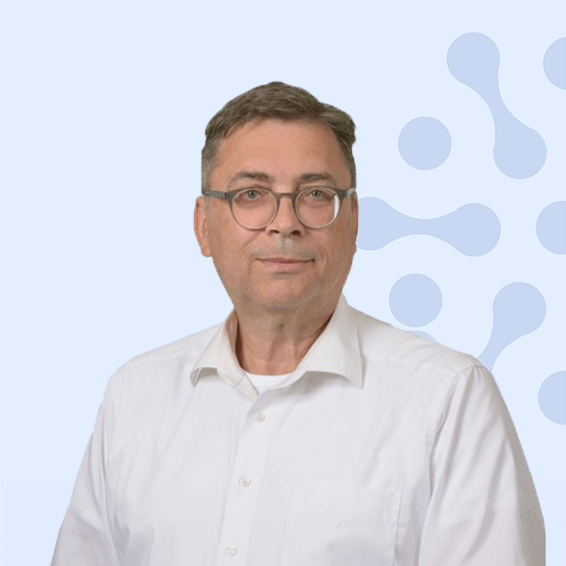

Thomas is the Managing Director of PRO-LIANCE GLOBAL SOLUTIONS GmbH and brings over two decades of experience in Regulatory and Clinical Affairs for medical devices and pharmaceuticals. With a scientific background in biochemistry and molecular biology, he supports the EASYGEN Consortium by shaping regulatory strategies and contributing to the development of proposals that address current gaps inthe regulatory framework for automated point-of-care manufacturing of cellularand genetic therapies (CGTs). His consulting work focuses on clinical and biological evaluations, with a strong emphasis on aligning scientific innovation with evolving regulatory requirements.
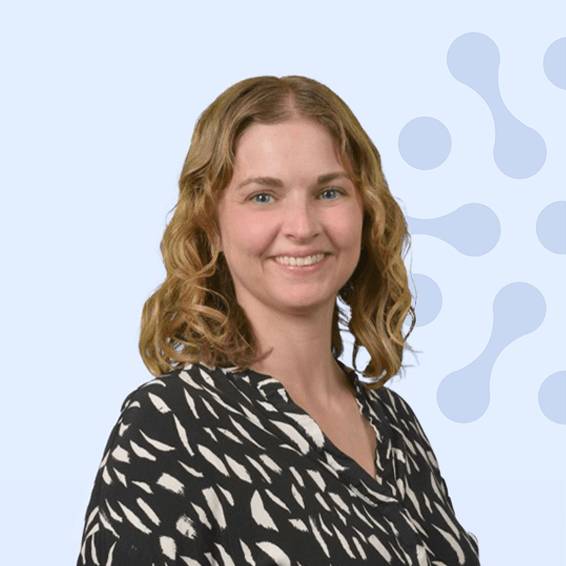
Sabine is a medical biologist with a PhD from the University of Cologne and hands-on training in cancer research. Following her doctoral studies, she gained solid experience in the field of evaluation and development of medical devices and pharmaceuticals. In her current role as a Clinical and Regulatory Expert at PRO-LIANCE GLOBAL SOLUTIONS GmbH, she has deepened her expertise in regulatory and clinical affairs. Her work focuses on developing structured, goal-oriented solutions for clients, ensuring high-quality outcomes that align with regulatory standards—a dedication she will bring to EASYGEN consortium aiming to transform CAR-T manufacturing into a fully automated, 24-hour, point-of-care solution.
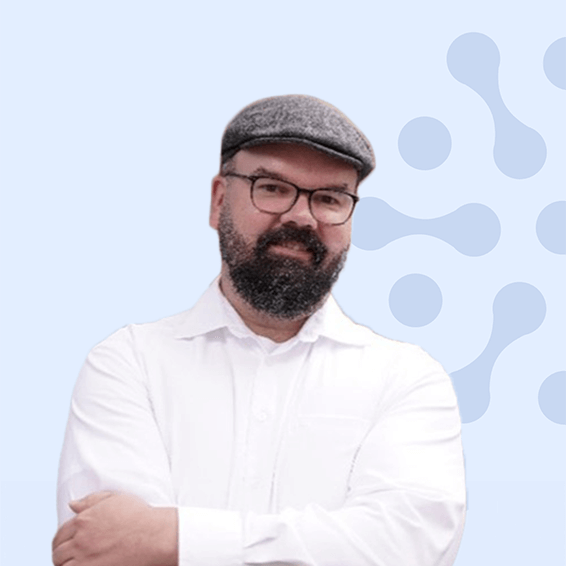
Johannes brings a diverse set of skills to support the ambitious and innovative goals ofthe EASYGEN CAR-T cell project. With a scientific background in neuroscience, immunology, and cancer research, he has demonstrated the ability to quickly grasp complex scientific concepts, as reflected in his 22 publications. His professional experience includes roles at pharmaceutical and medical device manufacturers, where he worked in clinical departments and supported products from development through to market access within large cross-functional teams. In his current role as a Regulatory & Quality Consultant, Johannes adapts swiftly to the evolving demands of various customer projects, ensuring high-quality outcomes through clear, customer-focused communication.
WP4 defines and validates patient eligibility criteria to identify new cohorts who stand to benefit from the modular CAR-T device, leveraging clinical expertise and data analytics to model anticipated outcomes. A comprehensive market and competitor analysis maps current trends, barriers to entry, and growth projections, informing optimal positioning within healthcare systems. Finally, insights from WP2 are used for exploitation and sustainability strategies that outline clear commercialization pathways, partner engagement, and scalable roll-out plans to ensure long-term integration and impact of the innovation.
Refining and validating the consumable cassette and core instrument to meet GMP specifications for on-site CAR-T production is performed in this working package: partners will iterate on the Point-of-Care (PoC) - cell and gene therapy cassette design (affinity capture, washing, concentration) and verify cell-isolation performance (purity, viability, yield) across multiple donor samples. Standardized quality-control cartridges and protocols will be developed to automate cell counts, viability checks, and contamination assays, by stakeholder feedback from WP8. Finally, a Digital Twin will integrate process and quality control data into hospital EHR/LIMS systems, enabling real-time interoperability and streamlined clinical workflows.
Same-day CAR-T production is established and refined through the comparison of novel vector and gene-editing strategies with classical methods. Both processes are then standardized to ensure consistent, clinical-scale use. It develops cutting-edge analytical assays - leveraging CRISPR off-target profiling, 3D ex vivo efficacy screens, and cytokine-release monitoring - to qualify edited cells for safety and potency. Finally, it conducts paired comparisons of the new rapid workflow versus traditional ex vivo culture to demonstrate equivalence or superiority in product quality.
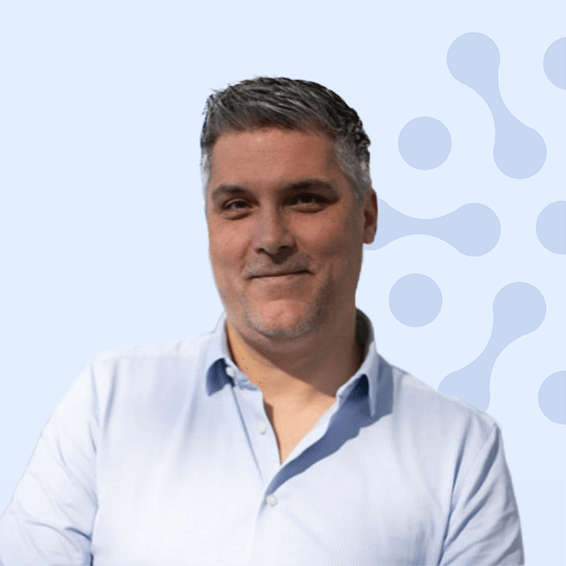

Christian brings over 16 years of expertise in biotechnology and cell therapy, complemented by deep knowledge in antibodies, small molecules, and exosomes. His career spans from agile small biotech environments to large pharmaceutical companies, giving him a well-rounded perspective across the industry. He also has more than a decade of experience in clinical operations and clinical development.
.png)
Theresa is a biochemist with broad experience in clinical and research environments, including roles at a hospital, a contract research organization (CRO), and laboratories specializing in CAR-T cells and cell selection. At TQx, she is responsible for experimental work, laboratory organization, and scientific presentations. Her background reflects a strong focus on biomedical researchand translational applications.
TQ Therapeutics
Sabine’s expertise is in building bridges between biological/medical and engineering topics. She has 14 years of experience in the field of biotechnology and cell therapy, with deep expertise in technical (medical) device and consumables product development, as well as process development for cell and gene therapy manufacturing. Sabine is looking forward to contributing to the EASYGEN work and driving innovative CAR-T technologies forward.
Christian has a background in immunology with over 16 years of experience in cell therapy product and process development within biotech and pharma. During his past positions, he gained strong experience in the scientific management of various aspects of technology and cell product development to bridge concept, (pre-)clinical development, and implementation.
Christin’s expertise at TQ Therapeutics lies in the field of venture building and commercial strategy, with over 8 years of experience in strategic consulting within the pharmaceutical and life science industry. She is excited and proud to be a member of EASYGEN and to work together with world-leading individual sand institutions to bring CAR-T therapies to patients in need, when they need it.
Stefan has over 15 years of experience in biotechnology and cell therapy, with specific expertise in GMP-compliant manufacturing and supply chain management for materials used in cell and gene therapy. As a CMO manager, he works closely with external partners to produce essential components needed during the cell & gene therapy generation process.
Current and future CAR-T care processes are mapped, analyzed and enhanced under real-world constraints. Through expert interviews, and KPI definition, partners will build detailed process diagrams and quantitative baselines to inform discrete-event simulation models. These models will be calibrated, used for “what-if” analyses to develop resource concepts (layout, staffing, logistics) and contribute to the performance evaluation in WP3. In parallel, qualitative co-creation workshops with clinicians ensure that user insights drive the design of optimized workflows, SOPs, and training materials.
WP4 defines and validates patient eligibility criteria to identify new cohorts who stand to benefit from the modular CAR-T device, leveraging clinical expertise and data analytics to model anticipated outcomes. A comprehensive market and competitor analysis maps current trends, barriers to entry, and growth projections, informing optimal positioning within healthcare systems. Finally, insights from WP2 are used for exploitation and sustainability strategies that outline clear commercialization pathways, partner engagement, and scalable roll-out plans to ensure long-term integration and impact of the innovation.
A robust regulatory roadmap is crafted for both the CGT proof-of-concept platform and the modular CAR-T procedure. Early engagement with Notified Bodies and competent authorities ensures that device classification, pre-clinical testing, and evolving regulations are addressed in real time. A detailed European regulatory landscape analysis across EU countries (starting with Germany, Spain) informs consultation with TÜV, PEI, EMA, and other agencies, while comprehensive GMP documentation - including validation plans, risk assessments, and supplier qualification - lays the groundwork for compliant manufacturing in WP6.
Same-day CAR-T production is established and refined through the comparison of novel vector and gene-editing strategies with classical methods. Both processes are then standardized to ensure consistent, clinical-scale use. It develops cutting-edge analytical assays - leveraging CRISPR off-target profiling, 3D ex vivo efficacy screens, and cytokine-release monitoring - to qualify edited cells for safety and potency. Finally, it conducts paired comparisons of the new rapid workflow versus traditional ex vivo culture to demonstrate equivalence or superiority in product quality.
Simulated onboarding workflows in hospital settings serve to pilot the point-of-care CAR-T platform, while also generating SOPs, training materials, and quality-management documents to assess personnel, infrastructure, and documentation requirements. Guided by insights from WP2 and WP3, this WP then conducts dry runs across partner sites, gathering usability feedback to iteratively refine device deployment and clinical processes while preparing for a clinical trial. Finally, interoperability tests validate data interfaces between the device, digital twin, and hospital IT systems, and a clinical study protocol is drafted alongside a comprehensive final report outlining logistics, user insights, and regulatory considerations.
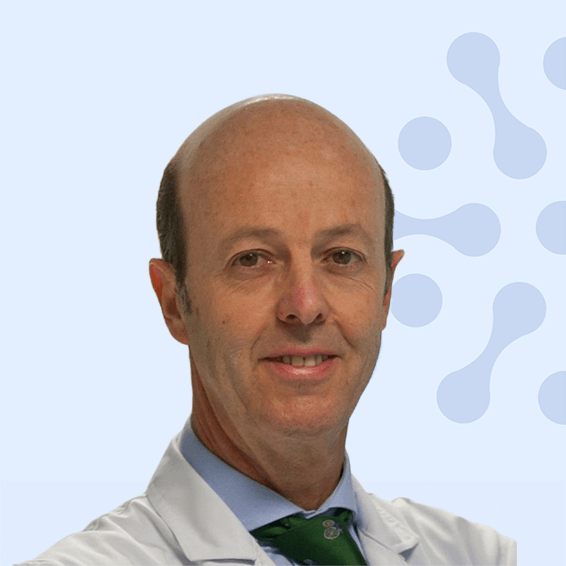
Felipe is a physician-scientist specializing in hematology, oncology, and regenerative medicine. He leads research at CIMA Universidad de Navarra and the Clínica Universidad de Navarra, directing both the Hematology and Cell Therapy Department and heading programs in Hemato-Oncology and Regenerative Medicine. With over 400 peer-reviewed publications and coordination of more than 50 national and international research grants, he has made substantial contributions to translational hematology and cell therapy, particularly in CAR‑Tand stem cell treatments. Felipe has mentored over 30 PhD students and postdoctoral researchers over the course of his career.

Susana earned her MD (1992) and PhD (1998) in Medicine from the Universidad de Navarra. She is a Clinical Research Associate in the Cell Therapy Area and the Immunology and Immunotherapy Department at the Clínica Universidad de Navarra. As the Production Manager of the GMP-certified laboratory accredited by the Spanish Medicines Agency, she has extensive expertise in the design and implementation of clinical trials, as well as in the manufacturing of immunotherapy products.
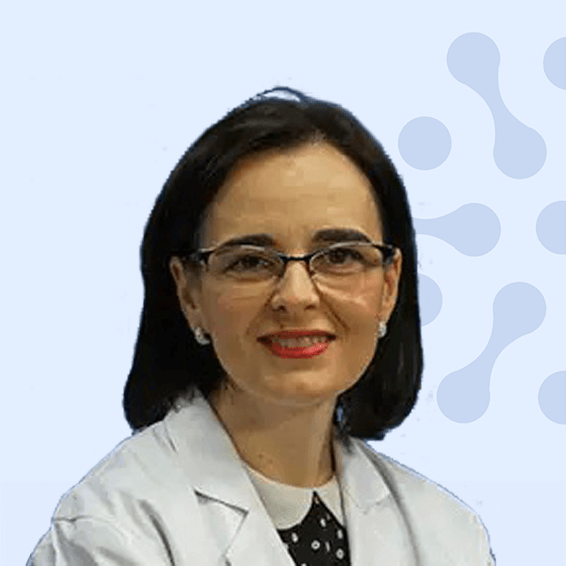
Ascensión holds a Bachelor's degree (1996) and a PhD (2001) in Biology from the Universidad de Navarra. She is a researcher in the cell therapy area and the Immunology and Immunotherapy Department at the Clínica Universidad de Navarra. Her expertise lies in developing innovative immuno therapy strategies for cancer treatment. Additionally, she serves as the Quality Control Manager for the GMP-certified laboratory, where she oversees the development and execution of clinical trials and the production of immuno therapy products.
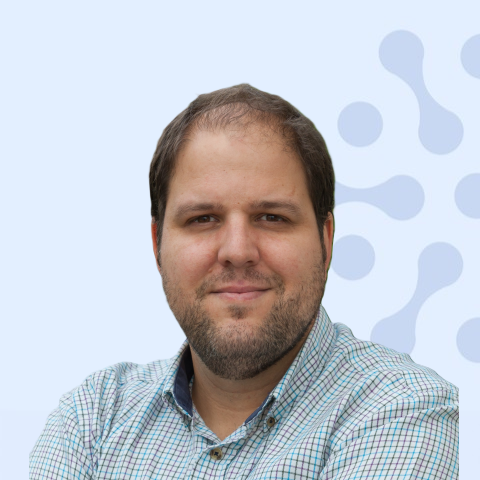
Juan earned his Bachelor's degree (2000) and PhD in Biology (2005) from the Universidad de Navarra. Since 2010, he has been a researcher in the Hemato-Oncology Program at Cima Universidad de Navarra and is responsible for the Immune Therapies Laboratory. His scientific work focuses on the development of safer and more efficient CAR-T therapies for hematological malignancies,combining cutting-edge genome editing and non-viral technologies. He also investigates the molecular mechanisms governing CAR-T cell function and toxicity, using multiomic approaches at the single-cell level and spatial transcriptomics.
WP4 defines and validates patient eligibility criteria to identify new cohorts who stand to benefit from the modular CAR-T device, leveraging clinical expertise and data analytics to model anticipated outcomes. A comprehensive market and competitor analysis maps current trends, barriers to entry, and growth projections, informing optimal positioning within healthcare systems. Finally, insights from WP2 are used for exploitation and sustainability strategies that outline clear commercialization pathways, partner engagement, and scalable roll-out plans to ensure long-term integration and impact of the innovation.
Same-day CAR-T production is established and refined through the comparison of novel vector and gene-editing strategies with classical methods. Both processes are then standardized to ensure consistent, clinical-scale use. It develops cutting-edge analytical assays - leveraging CRISPR off-target profiling, 3D ex vivo efficacy screens, and cytokine-release monitoring - to qualify edited cells for safety and potency. Finally, it conducts paired comparisons of the new rapid workflow versus traditional ex vivo culture to demonstrate equivalence or superiority in product quality.

George is a molecular pharmacologist who completed his PhD in collaboration with Pfizer. He leads a research group and a university spin-out company dedicated to developing novel therapies for diseases driven by aberrant cyclic AMP signaling systems. His team addresses a wide spectrum of conditions, including prostate cancer, Huntington's disease, cardiovascular disorders, and rare diseases such as Acrodysostosis type II. Their translational research is supported by pharmaceutical companies and national government funding schemes.
Nattaporn is a research scientist specialising in CAR-T cell immunotherapy for solid tumours. She holds a PhD in Immunology (International Program) from Mahidol University, Thailand, where her thesis focused on “Chimeric antigen-receptor engineered T cells targeting integrin αvβ6 for cholangiocarcinoma”. She currently serves as Research Associate at University of Glasgow in the UK, contributing to translational research in advanced cell-based therapies.
Current and future CAR-T care processes are mapped, analyzed and enhanced under real-world constraints. Through expert interviews, and KPI definition, partners will build detailed process diagrams and quantitative baselines to inform discrete-event simulation models. These models will be calibrated, used for “what-if” analyses to develop resource concepts (layout, staffing, logistics) and contribute to the performance evaluation in WP3. In parallel, qualitative co-creation workshops with clinicians ensure that user insights drive the design of optimized workflows, SOPs, and training materials.
A PESTEL analysis and expert interviews map out all external influences and key actors to pinpoint the political, economic, social and regulatory factors that will shape technology adoption. It then translates stakeholder insights into prioritized technical and usability requirements via targeted questionnaires, ensuring the device meets real-world needs. Building on this, acceptance studies systematically gather and analyze stakeholders feedback to establish clear criteria for end-user buy-in, and a comprehensive cost-effectiveness model compares point-of-care versus conventional CAR-T therapies (including QALYs, long-term follow-ups, Monte Carlo sensitivity analysis, and workflow-driven cost inputs) to guide strategic decision-making.
WP4 defines and validates patient eligibility criteria to identify new cohorts who stand to benefit from the modular CAR-T device, leveraging clinical expertise and data analytics to model anticipated outcomes. A comprehensive market and competitor analysis maps current trends, barriers to entry, and growth projections, informing optimal positioning within healthcare systems. Finally, insights from WP2 are used for exploitation and sustainability strategies that outline clear commercialization pathways, partner engagement, and scalable roll-out plans to ensure long-term integration and impact of the innovation.
A robust regulatory roadmap is crafted for both the CGT proof-of-concept platform and the modular CAR-T procedure. Early engagement with Notified Bodies and competent authorities ensures that device classification, pre-clinical testing, and evolving regulations are addressed in real time. A detailed European regulatory landscape analysis across EU countries (starting with Germany, Spain) informs consultation with TÜV, PEI, EMA, and other agencies, while comprehensive GMP documentation - including validation plans, risk assessments, and supplier qualification - lays the groundwork for compliant manufacturing in WP6.
Same-day CAR-T production is established and refined through the comparison of novel vector and gene-editing strategies with classical methods. Both processes are then standardized to ensure consistent, clinical-scale use. It develops cutting-edge analytical assays - leveraging CRISPR off-target profiling, 3D ex vivo efficacy screens, and cytokine-release monitoring - to qualify edited cells for safety and potency. Finally, it conducts paired comparisons of the new rapid workflow versus traditional ex vivo culture to demonstrate equivalence or superiority in product quality.
To share EASYGEN’s findings with scientific, clinical, and public audiences the team develops a dynamic dissemination and communication strategy – featuring a unified brand identity, website, social media presence and toolkit for presentations and press releases. It conducts a literature review on CAR-T patient quality of life (QoL), including a patient questionnaire to assess patient-reported burden to access CAR-T cell therapy, to inform targeted messaging and convenes roundtable workshops with patient advocacy groups to co-create educational resources and a white paper on lived-experience insights. Ongoing stakeholder networking ensures that healthcare providers and patients are actively engaged throughout the project’s lifespan.

Julia is a Research Director and Therapeutic Area Lead for Oncology at Charles River Laboratories in Freiburg, Germany. She earned her DVM from Freie Universität Berlin and Tierspital Zürich, followed by a PhD and postdoctoral work at the Max Planck Institute focused on immunobiology. Since Charles River’s acquisition of Oncotest in 2015, she has overseen PDX-based oncology drug testing platforms, integrating 3D tumor models, in vivo assays, imaging, omics, and translational biomarker development.
Kanstantin is heading in vitro assay development in Freiburg and comes from a pharmacy/chemistry background. He mainly focuses on methodology, including Design of Experiments (DoE) and data handling, as well as everything related to plate-based cellular assays—such as live-cell imaging in 2D and 3D models, reporter gene systems, biomarkers, different detection technologies, and others.

Ina is a Scientist in Assay Development at Charles River Laboratories, based in Freiburg im Breisgau. She earned her degree from Hochschule Albstadt‑Sigmaringen and has built strong expertise in designing and optimizing cellular and biochemical assays. Ina collaborates across interdisciplinary teams to support bioanalytical project objectives, ensuring precise, reproducible testing protocols. With a solution-focused approach and solid technical acumen, she consistently contributes to advancing preclinical research in drug development.
Current and future CAR-T care processes are mapped, analyzed and enhanced under real-world constraints. Through expert interviews, and KPI definition, partners will build detailed process diagrams and quantitative baselines to inform discrete-event simulation models. These models will be calibrated, used for “what-if” analyses to develop resource concepts (layout, staffing, logistics) and contribute to the performance evaluation in WP3. In parallel, qualitative co-creation workshops with clinicians ensure that user insights drive the design of optimized workflows, SOPs, and training materials.
A PESTEL analysis and expert interviews map out all external influences and key actors to pinpoint the political, economic, social and regulatory factors that will shape technology adoption. It then translates stakeholder insights into prioritized technical and usability requirements via targeted questionnaires, ensuring the device meets real-world needs. Building on this, acceptance studies systematically gather and analyze stakeholders feedback to establish clear criteria for end-user buy-in, and a comprehensive cost-effectiveness model compares point-of-care versus conventional CAR-T therapies (including QALYs, long-term follow-ups, Monte Carlo sensitivity analysis, and workflow-driven cost inputs) to guide strategic decision-making.
Simulated onboarding workflows in hospital settings serve to pilot the point-of-care CAR-T platform, while also generating SOPs, training materials, and quality-management documents to assess personnel, infrastructure, and documentation requirements. Guided by insights from WP2 and WP3, this WP then conducts dry runs across partner sites, gathering usability feedback to iteratively refine device deployment and clinical processes while preparing for a clinical trial. Finally, interoperability tests validate data interfaces between the device, digital twin, and hospital IT systems, and a clinical study protocol is drafted alongside a comprehensive final report outlining logistics, user insights, and regulatory considerations.
Dr. Agnes Vosen is Head of the Department Human and Technology at the Helmholtz-Zentrum Dresden-Rossendorf (HZDR). She specializes in digital innovation and socio-economic evaluation in healthcare, with a focus on human-centered and market-oriented perspectives. Previously, she led the Digital Health group at the Fraunhofer Center for International Management and Knowledge Economy (IMW), where she researched the digital transformation of healthcare systems. She holds several publications regarding socio-economic aspects of AI and robotics.
Within the EASYGEN project, Dr. Vosen contributes socio-economic expertise, focusing on process management, co-creation, stakeholder engagement, and performance evaluation. By combining methodology from social sciences with economic insight, she supports the responsible implementation of cell and gene therapies.
Anika is a research associate at the Helmholtz-Zentrum Dresden-Rossendorf (HZDR). She specializes in socio-economic evaluation of innovations in healthcare, focusing on human-centered and sustainable integration of new developments. Anika has prior experience as a researcher at Fraunhofer Center for International Management and Knowledge Economy (IMW) in digital health projects with a focus on sustainability, data and robotics. With a strong background in business development and open innovation, she has also held managerial roles in industry. Anika holds degrees in Business Administration and is currently doing her PhD at the HZDR.
Julia is the Head of the "Human & Technology" Department at the Helmholtz-Zentrum Dresden-Rossendorf (HZDR), a position she assumed in April 2025. She has extensive experience in innovation management within the healthcare sector, having previously led the Digital Health group at the Fraunhofer Center for International Management and Knowledge Economy (IMW). Her research and projects focus on healthcare innovation, including digital health technologies and healthcare management solutions, where she has contributed to both academic and practical advancements. Additionally, she has managed and coached healthcare startups, including those in the fields of bioeconomy and cardiovascular health.
Dr. Marija Radić is a senior expert in digital health, data economy, and healthcare innovation. She currently serves as Managing Director of Competence Center Care Coordination GmbH and as Senior Scientist for Digital Health at Helmholtz-Zentrum Dresden-Rossendorf. Previously, she held leading roles at Fraunhofer IMW, where she built and led interdisciplinary research programs in digital health. Her work focuses on data sovereignty, AI-driven healthcare solutions, and sustainable business models, with more than 50 scientific publications in international journals and conferences proceedings.
Same-day CAR-T production is established and refined through the comparison of novel vector and gene-editing strategies with classical methods. Both processes are then standardized to ensure consistent, clinical-scale use. It develops cutting-edge analytical assays - leveraging CRISPR off-target profiling, 3D ex vivo efficacy screens, and cytokine-release monitoring - to qualify edited cells for safety and potency. Finally, it conducts paired comparisons of the new rapid workflow versus traditional ex vivo culture to demonstrate equivalence or superiority in product quality.

Kevin Gutshall is the Chief CommercialOfficer at Kytopen, where he leads the company’s global growth and commercialstrategy. In 2025, he led the launch and global commercialization of theFlowfect® platform, advancing next-generation cellular engineering solutions for the cell therapy industry.
He is an accomplished commercialand business development executive with proven expertise in portfolio strategy, strategic partnerships, and M&A. He has held senior leadership roles acrosshigh-growth biotechnology companies, consistently driving revenue expansion and long-term value creation.
Prior to joining Kytopen, Kevin served as Chief Business Officer at CellFE, a cellular engineering startup. He previously held the role of Vice President of Strategy and Corporate Development at MaxCyte, where he led corporate growth initiatives, built high-value strategic partnerships, and guided M&A strategy. Earlier in his career, Kevin served as Director of Corporate Development at MilliporeSigma andas Head of Business Development at Sigma-Aldrich, further establishing his reputation as a strategic leader in the Life Sciences.
Kevin’s role will be to provide business and commercial oversight for the Kytopen team into the consortium.
Stephanie Camacho, PhD, is Vice President of Marketing at Kytopen, where she oversees the marketing strategy and execution, as well as product management for its cutting-edge RUO and GMP Flowfect® cellular engineering technology.
A seasoned life sciences leader with over two decades of experience, Stephanie specializes in commercializing transformative biotechnologies, including capital equipment and GMP-ready platforms. She has a strong track record in driving growth through product strategy, building high-performing teams, and developing strategic partnerships across emerging and established organizations. Prior to joining Kytopen, Stephanie was Senior Director, Marketing at CellFE, a cellular engineering startup.
Stephanie holds a PhD in biochemistry and immunology from Freie Universität Berlin, Germany.
Chris Abraham, PhD, is the Director of Application Development at Kytopen, where he leads the development of novel applications and platform optimization for Flowfect® technology. He leads a specialized team of field application scientists, driving strategic collaborations with external partners to accelerate the discovery and manufacturing of gene-modified cell therapies.
With over a decade of experience, Chris has dedicated his career to advancing non-viral gene delivery through expert workflow and assay development. His extensive expertise in RNP-based workflowsand high-throughput screening was honed through leadership roles at pioneering biotechnology firms, including Inscripta, Inc and Artisan Bio.
Chris earned his PhD in Microbiology from the University of Colorado Anschutz Medical Campus and completed postdoctoral research funded by the American Cancer Society at the University of Colorado Boulder, focusing on CRISPR-based functional genomics in cancer models.
Chris will be a scientific lead for the transfection workflows and processing.
John Zhao is the Director of Process Development at Kytopen, where he leads a multi-disciplinary team advancing non-viral payload delivery technologies for cellular therapies. His oversees the development and optimization of consumables and reagents for the company’s Flowfect® platform, enabling efficient, scalable delivery of genetic material across diverse cell types.
With over a decade of experience in cell and gene therapy, John brings deep expertise spanning early-stage research, process development, andcommercial-scale manufacturing.
John earned a Master of Science in Biochemistry and Molecular Biology at the University of Louisville, Kentucky.
John will be a scientific lead for the transfection workflows and processing.
Same-day CAR-T production is established and refined through the comparison of novel vector and gene-editing strategies with classical methods. Both processes are then standardized to ensure consistent, clinical-scale use. It develops cutting-edge analytical assays - leveraging CRISPR off-target profiling, 3D ex vivo efficacy screens, and cytokine-release monitoring - to qualify edited cells for safety and potency. Finally, it conducts paired comparisons of the new rapid workflow versus traditional ex vivo culture to demonstrate equivalence or superiority in product quality.

Ulf is a co‑founder and CEO of T‑CURX, with more than 20 years of experience in founding, building, and successfully exiting biotechnology companies. Prior to T‑CURX, he co‑founded 4‑Antibody AG and NBE‑Therapeutics, both of which were acquired by international pharma companies, and led the companies as CEO through significant venture financings and major commercial transactions. Ulf holds a PhD in Biochemistry and has an extensive background in immunology, with over 40 peer‑reviewed publications and multiple granted and pending patents.

Jan van den Brulle serves as VP External Research & Development at T‑CURX and brings more than 20 years of experience in research and development across multiple biotechnology companies. Prior to joining T‑CURX, he held senior leadership roles at MorphoSys AG and Sloning Biotechnology, where he led large research teams, managed global pharma collaborations, and advanced multiple therapeutic antibody programs to lead candidate stage. Jan has a strong background in synthetic biology and is an inventor on numerous granted patents in the field.
Paulina is a CAR T enthusiast with a strong scientific foundation in CAR T research and hemato-oncology paired with commercialization experience, leading medical strategy towards launch of two CAR T cell therapies at BMS Germany. As Director Business Development and Program Management at T-CURX her ambition is to advance the mission to democratize CAR T therapies to reach more patients.
To share EASYGEN’s findings with scientific, clinical, and public audiences the team develops a dynamic dissemination and communication strategy – featuring a unified brand identity, website, social media presence and toolkit for presentations and press releases. It conducts a literature review on CAR-T patient quality of life (QoL), including a patient questionnaire to assess patient-reported burden to access CAR-T cell therapy, to inform targeted messaging and convenes roundtable workshops with patient advocacy groups to co-create educational resources and a white paper on lived-experience insights. Ongoing stakeholder networking ensures that healthcare providers and patients are actively engaged throughout the project’s lifespan.

Kaustubh joined CPE in early 2024 and plays a key role in project coordination, communication, and stakeholder engagement across CPE projects and initiatives. He holds a bachelor’s degree in mass media from the University of Mumbai and a master’s degree in communication studies from the Vrije Universiteit Brussel. His multicultural background and experience in EU‑level communication strengthen his ability to design effective dissemination strategies and foster collaboration among diverse partners. He has supported multiple projects in developing communication frameworks, shaping dissemination plans, and ensuring smooth coordination between technical and non‑technical stakeholders.
Juan-José studied Pharmacy and obtained his PhD at the University Complutense of Madrid. He has carried out basic research in leading international institutions including EMBL, HHMI, CNIO, the University of Cambridge, and KU Leuven. His scientific work has focused on identifying target cells and molecular biomarkers with potential applications in the diagnosis and treatment of several cancers, including liver, colon, and lung cancer. After transitioning from academia, Juan moved into patient advocacy, where he has contributed to more than 20 EU-funded research projects, ensuring that the patient voice is represented in the development of cutting‑edge research and innovation.
Martina joined CPE in 2025 and brings a strong background in international relations, public policy, and social policy, with academic work focused on sustainable development and welfare systems. Professionally, she has gained experience at the European level, first as a European Project Manager at the Metropolitan City of Milan and later at the European Parliament, where she worked primarily with the ITRE and DEVE committees.
Chiara joined CPE in 2025, bringing experience in communication, international relations, and EU‑funded projects. She holds a background in foreign languages and a master’s degree in International Relations, with a strong focus on public affairs and strategic communication.
Today's CAR-T therapies have a median vein-to-vein time of 3 to 6 weeks. Dependence on specialized, central manufacturing facilities, laborious and cost-intensive workflows, and a complex logistics can limit timely access to these transformative therapies.