
WP4 defines and validates patient eligibility criteria to identify new cohorts who stand to benefit from the modular CAR-T device, leveraging clinical expertise and data analytics to model anticipated outcomes. A comprehensive market and competitor analysis maps current trends, barriers to entry, and growth projections, informing optimal positioning within healthcare systems. Finally, insights from WP2 are used for exploitation and sustainability strategies that outline clear commercialization pathways, partner engagement, and scalable roll-out plans to ensure long-term integration and impact of the innovation.
A robust regulatory roadmap is crafted for both the CGT proof-of-concept platform and the modular CAR-T procedure. Early engagement with Notified Bodies and competent authorities ensures that device classification, pre-clinical testing, and evolving regulations are addressed in real time. A detailed European regulatory landscape analysis across EU countries (starting with Germany, Spain) informs consultation with TÜV, PEI, EMA, and other agencies, while comprehensive GMP documentation - including validation plans, risk assessments, and supplier qualification - lays the groundwork for compliant manufacturing in WP6.
Refining and validating the consumable cassette and core instrument to meet GMP specifications for on-site CAR-T production is performed in this working package: partners will iterate on the Point-of-Care (PoC) - cell and gene therapy cassette design (affinity capture, washing, concentration) and verify cell-isolation performance (purity, viability, yield) across multiple donor samples. Standardized quality-control cartridges and protocols will be developed to automate cell counts, viability checks, and contamination assays, by stakeholder feedback from WP8. Finally, a Digital Twin will integrate process and quality control data into hospital EHR/LIMS systems, enabling real-time interoperability and streamlined clinical workflows.
Same-day CAR-T production is established and refined through the comparison of novel vector and gene-editing strategies with classical methods. Both processes are then standardized to ensure consistent, clinical-scale use. It develops cutting-edge analytical assays - leveraging CRISPR off-target profiling, 3D ex vivo efficacy screens, and cytokine-release monitoring - to qualify edited cells for safety and potency. Finally, it conducts paired comparisons of the new rapid workflow versus traditional ex vivo culture to demonstrate equivalence or superiority in product quality.
To share EASYGEN’s findings with scientific, clinical, and public audiences the team develops a dynamic dissemination and communication strategy – featuring a unified brand identity, website, social media presence and toolkit for presentations and press releases. It conducts a literature review on CAR-T patient quality of life (QoL), including a patient questionnaire to assess patient-reported burden to access CAR-T cell therapy, to inform targeted messaging and convenes roundtable workshops with patient advocacy groups to co-create educational resources and a white paper on lived-experience insights. Ongoing stakeholder networking ensures that healthcare providers and patients are actively engaged throughout the project’s lifespan.
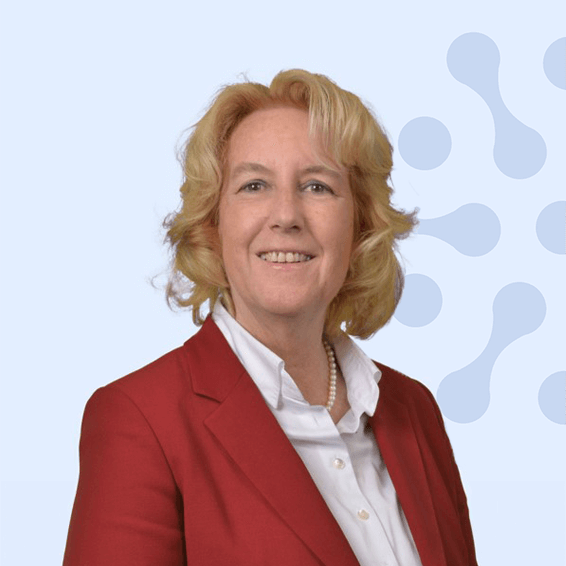

Ulrike is W3 Professor of Immuno-Oncology at the University of Leipzig, Director of the Institute for Clinical Immunology at Leipzig University Hospital, and Managing Director of the Fraunhofer Institute for Cell Therapy & Immunology (IZI). She studied biology and medicine at Goethe University Frankfurt, earning a PhD in pharmacology and a habilitation in experimental medicine, followed by a postdoctoral fellowship at MD Anderson Cancer Center. Since 2017, she has led Fraunhofer IZI’s cell and gene therapy division, advancing CAR T and CAR NK cell therapies through GMP-compliant processes, immunomonitoring, and EU collaborations like SaxoCell. Author of 190+ papers, she drives next-generation immunotherapies.
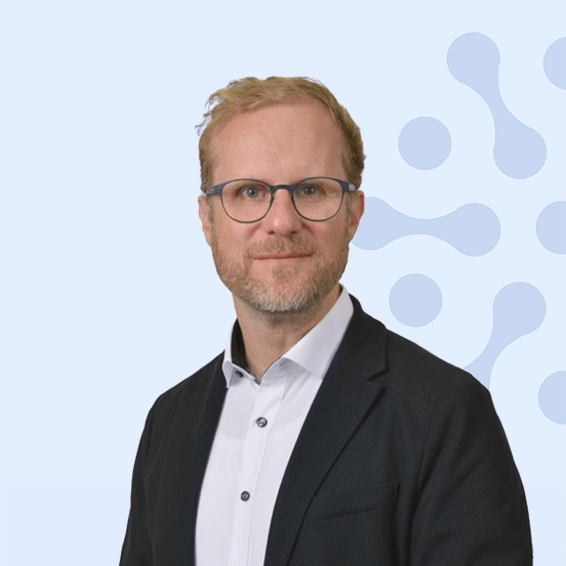
Michael is one of the foremost pioneers in CAR-T cell therapy, internationally renowned for his groundbreaking contributions to the design, development, and clinical translation of genetically engineered immune cells. As head of the Translational CAR-T Research Program at Universitätsklinikum Würzburg and coordinator of major European initiatives such as IMI T2EVOLVE and CAR FACTORY, he plays a central role in shaping the future of CAR-T therapies. His visionary leadership—spanning academia, clinical trials, and biotech innovation through T-CURX GmbH—has made him a driving force in bringing next-generation immunotherapies from the lab to the clinic.
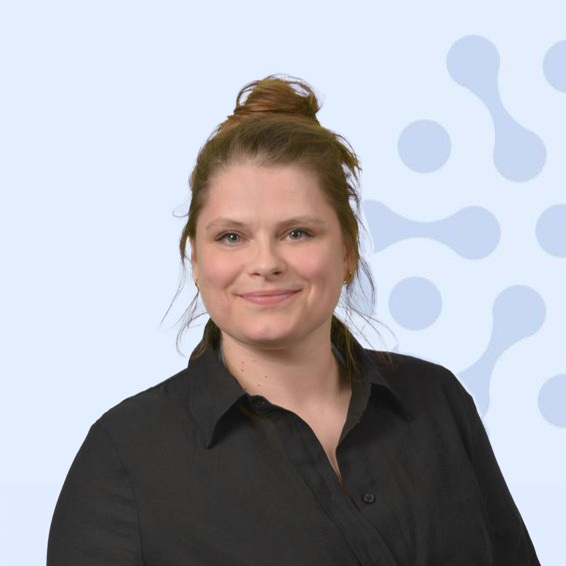
Anna and her GMP Development Unit at Fraunhofer IZI are specialized in translating immature laboratory processes into GMP-compliant manufacturing workflows for immune-cell–based therapies. Her core competencies include GMP process optimization, upscaling, automation and quality control development for cell and gene therapies. She maintains a strong focus on the regulatory landscape for advanced therapy medicinal products (ATMPs) and immunotherapies, and leads process development for innovative cancer immunotherapy initiatives and new products. Her current research focuses on allogeneic T cell-based products, engineered NK cells and CAR macrophages for adoptive therapy.
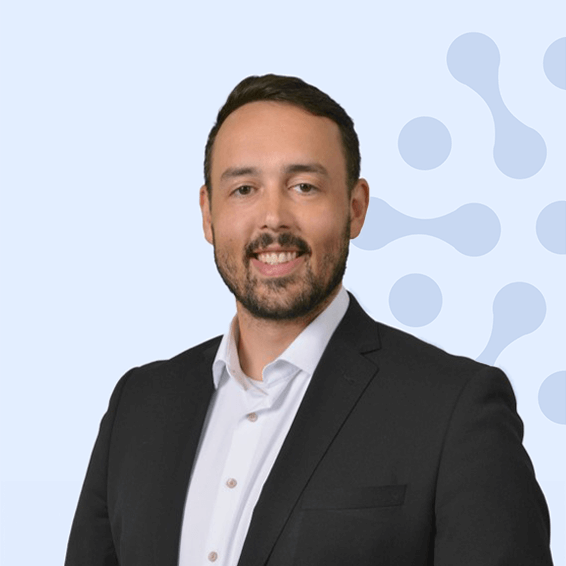
David is a Scientific Project Manager at Universitätsklinikum Würzburg, affiliated with the Chair of Cellular Immunotherapy. He holds a doctorate in natural sciences and leads projects focused on translational immunotherapy approaches, including clinical study coordination, patenting strategies, grant acquisition, and regulatory compliance. David collaborates across interdisciplinary teams within centers for experimental molecular medicine and clinical trials, driving progress in immune-based therapies through structured scientific and administrative leadership.
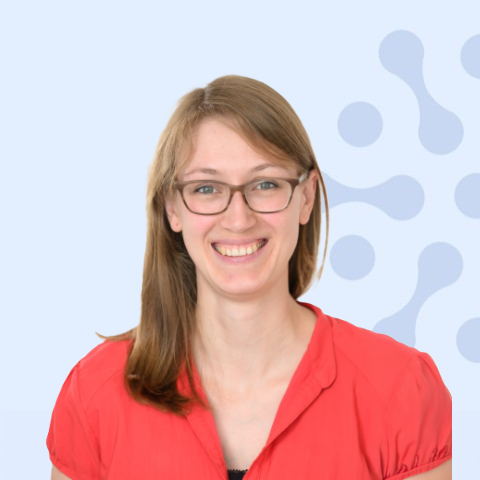
Together with Anna, Katrin is the Co-Lead of the GMP Development Unit at Fraunhofer IZI, and senior scientist and project manager at Fraunhofer IZI’s Cellular Immunotherapy group in Würzburg, affiliated with Universitätsklinikum Würzburg’s Cellular Immunotherapy Chair. She oversees preclinical development of CAR-modified immune cells—designing and optimizing all steps of manufacturing including bioreactor-based activation and expansion, non-viral gene transfer, and in depth phenotypical and functional characterization. Her work advances automated CAR-T production platforms (e.g., AIDPATH) to improve access, quality, and timing of personalized cancer therapies.
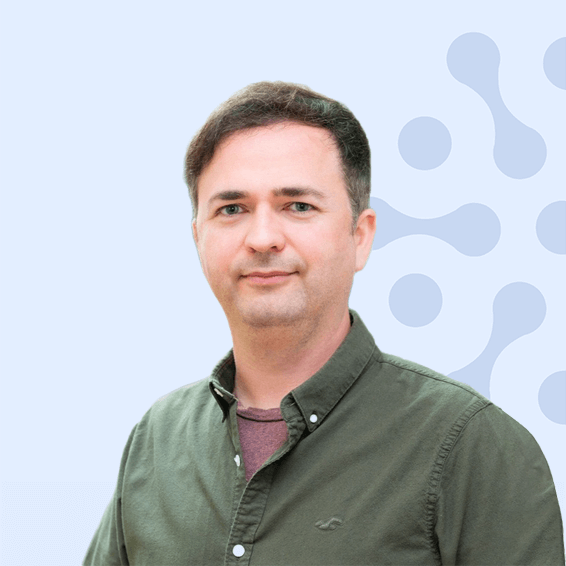
Mirko is a Senior Project Manager at Fraunhofer IZI in Leipzig, where he coordinates EU-funded R&D initiatives in advanced therapy medicinal products (ATMPs) as well as internal and external GMP related education and training. With a background in biology (esp. immunology) and over 15 years of experience in GxP quality assurance, project development and translational innovation, he focuses on accelerating cell and gene therapy pipelines. Mirko bridges scientific, regulatory, and industrial stakeholders to deliver impactful innovation strategies in European biomedical research.

Carmen is a medical biotechnologist with a PhD in Molecular Biology and Medical Biotechnology and over seven years of industry experience in clinical operations and translational research. She is EU Initiatives Scientific & Strategic Project Lead at the Cellular Immunotherapy Program of the University Hospital Würzburg (UKW) and Executive Director of the T2EVOLVE Association. Carmen coordinates and contributes to multiple European initiatives in advanced therapies, with a strong focus on CAR-T and TCR cell therapies, regulatory science, manufacturing innovation, and patient access, and is committed to building sustainable, cross-stakeholder ecosystems across Europe.
