
Current and future CAR-T care processes are mapped, analyzed and enhanced under real-world constraints. Through expert interviews, and KPI definition, partners will build detailed process diagrams and quantitative baselines to inform discrete-event simulation models. These models will be calibrated, used for “what-if” analyses to develop resource concepts (layout, staffing, logistics) and contribute to the performance evaluation in WP3. In parallel, qualitative co-creation workshops with clinicians ensure that user insights drive the design of optimized workflows, SOPs, and training materials.
A PESTEL analysis and expert interviews map out all external influences and key actors to pinpoint the political, economic, social and regulatory factors that will shape technology adoption. It then translates stakeholder insights into prioritized technical and usability requirements via targeted questionnaires, ensuring the device meets real-world needs. Building on this, acceptance studies systematically gather and analyze stakeholders feedback to establish clear criteria for end-user buy-in, and a comprehensive cost-effectiveness model compares point-of-care versus conventional CAR-T therapies (including QALYs, long-term follow-ups, Monte Carlo sensitivity analysis, and workflow-driven cost inputs) to guide strategic decision-making.
WP4 defines and validates patient eligibility criteria to identify new cohorts who stand to benefit from the modular CAR-T device, leveraging clinical expertise and data analytics to model anticipated outcomes. A comprehensive market and competitor analysis maps current trends, barriers to entry, and growth projections, informing optimal positioning within healthcare systems. Finally, insights from WP2 are used for exploitation and sustainability strategies that outline clear commercialization pathways, partner engagement, and scalable roll-out plans to ensure long-term integration and impact of the innovation.
Simulated onboarding workflows in hospital settings serve to pilot the point-of-care CAR-T platform, while also generating SOPs, training materials, and quality-management documents to assess personnel, infrastructure, and documentation requirements. Guided by insights from WP2 and WP3, this WP then conducts dry runs across partner sites, gathering usability feedback to iteratively refine device deployment and clinical processes while preparing for a clinical trial. Finally, interoperability tests validate data interfaces between the device, digital twin, and hospital IT systems, and a clinical study protocol is drafted alongside a comprehensive final report outlining logistics, user insights, and regulatory considerations.


Jens is a Professor of Decision Science in Healthcare at the Department of Technology, Management, and Economics at the Technical University of Denmark (DTU). He previously held a professorship in Health Care Operations and Health Information Management at the Faculty of Business and Economics at the University of Augsburg and served as (co-)director of the University Center for Health Care at Klinikum Augsburg (UNIKA-T). Jens earned his PhD from the TUM School of Management in 2009. His research focuses on the design and analysisof service systems in the healthcare sector using quantitative methods.

Michael is an Associate Professor in the Operations and Supply Chain Management Section at the Department of Technology, Management, and Economics at the Technical University of Denmark (DTU). He holds a PhD from DTU (2012) and specializes indeveloping decision support systems using cost-benefit analysis, risk assessment, and multi-criteria decision analysis to evaluate financial, social, and environmental factors. His research emphasizes practical application and is frequently conducted in close collaboration with industry partners.
.png)
Benjamin is an Assistant Professor (tenure track) in the Department of Technology, Management and Economics at the Technical University of Denmark (DTU). He earned his doctorate in Science & Technology Studies from the Technical University of Munich in 2019, then served as a Marie Curie Fellow at Cornell and Hamburg before joining DTU in 2023. His research investigates human-technology interaction in contexts of digitised healthcare using qualitative and co-creative methods. In his work, he aims to foster systems of human-centred logistics through user research and inclusion.
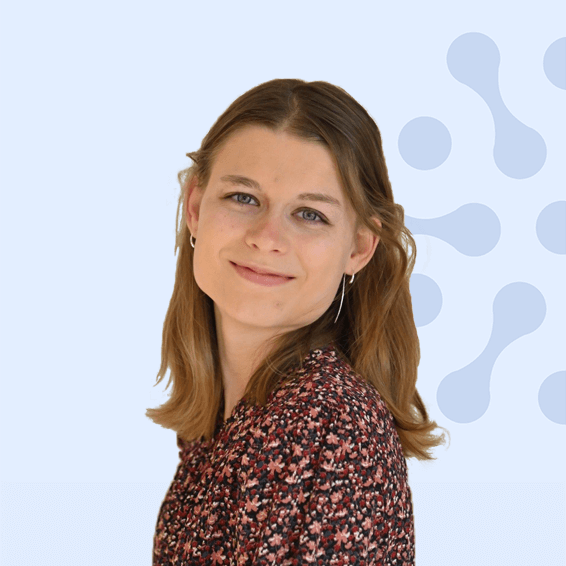
Catrina is a PhD student in Healthcare Management at the Department of Technology, Management, and Economics at the Technical University of Denmark (DTU). Catrina has a dual background in Biochemistry and Management and has worked as a strategy consultant in the healthcare sector at McKinsey and BCG. Catrina holds degrees in Molecular Biosciences from the University of Bath and Management from the London School of Economics and Political Science. In the realm of the PhD, Catrina’s focus is on researching and simulating the CAR-T cell process and identifying optimization potentials.
