
Current and future CAR-T care processes are mapped, analyzed and enhanced under real-world constraints. Through expert interviews, and KPI definition, partners will build detailed process diagrams and quantitative baselines to inform discrete-event simulation models. These models will be calibrated, used for “what-if” analyses to develop resource concepts (layout, staffing, logistics) and contribute to the performance evaluation in WP3. In parallel, qualitative co-creation workshops with clinicians ensure that user insights drive the design of optimized workflows, SOPs, and training materials.
WP4 defines and validates patient eligibility criteria to identify new cohorts who stand to benefit from the modular CAR-T device, leveraging clinical expertise and data analytics to model anticipated outcomes. A comprehensive market and competitor analysis maps current trends, barriers to entry, and growth projections, informing optimal positioning within healthcare systems. Finally, insights from WP2 are used for exploitation and sustainability strategies that outline clear commercialization pathways, partner engagement, and scalable roll-out plans to ensure long-term integration and impact of the innovation.
Refining and validating the consumable cassette and core instrument to meet GMP specifications for on-site CAR-T production is performed in this working package: partners will iterate on the Point-of-Care (PoC) - cell and gene therapy cassette design (affinity capture, washing, concentration) and verify cell-isolation performance (purity, viability, yield) across multiple donor samples. Standardized quality-control cartridges and protocols will be developed to automate cell counts, viability checks, and contamination assays, by stakeholder feedback from WP8. Finally, a Digital Twin will integrate process and quality control data into hospital EHR/LIMS systems, enabling real-time interoperability and streamlined clinical workflows.
Simulated onboarding workflows in hospital settings serve to pilot the point-of-care CAR-T platform, while also generating SOPs, training materials, and quality-management documents to assess personnel, infrastructure, and documentation requirements. Guided by insights from WP2 and WP3, this WP then conducts dry runs across partner sites, gathering usability feedback to iteratively refine device deployment and clinical processes while preparing for a clinical trial. Finally, interoperability tests validate data interfaces between the device, digital twin, and hospital IT systems, and a clinical study protocol is drafted alongside a comprehensive final report outlining logistics, user insights, and regulatory considerations.
To share EASYGEN’s findings with scientific, clinical, and public audiences the team develops a dynamic dissemination and communication strategy – featuring a unified brand identity, website, social media presence and toolkit for presentations and press releases. It conducts a literature review on CAR-T patient quality of life (QoL), including a patient questionnaire to assess patient-reported burden to access CAR-T cell therapy, to inform targeted messaging and convenes roundtable workshops with patient advocacy groups to co-create educational resources and a white paper on lived-experience insights. Ongoing stakeholder networking ensures that healthcare providers and patients are actively engaged throughout the project’s lifespan.
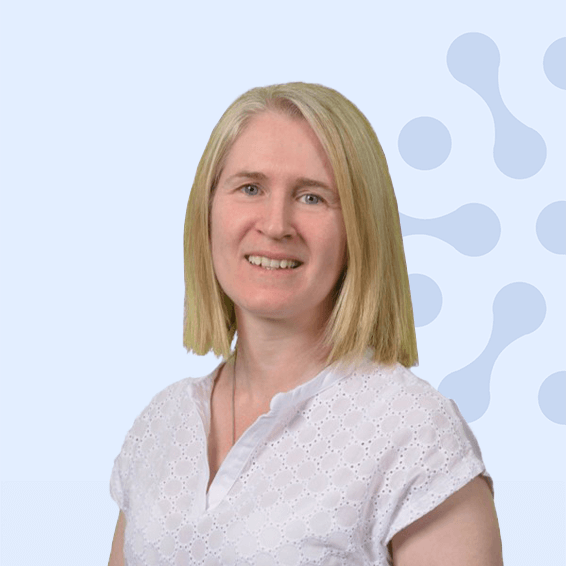

Vivienne has over 18 years’ experience in commercialisation of analytical and life science tools. In 2023, following an offer from a US company to acquire Cellix; Vivienne negotiated the sale of Cellix to Randox, a diagnostics company based in Northern Ireland. Vivienne now works closely with Randox R&D teams, transferring Cellix’s knowledge in microfluidics to adapt, develop and improve their biochip offering for diagnostics.
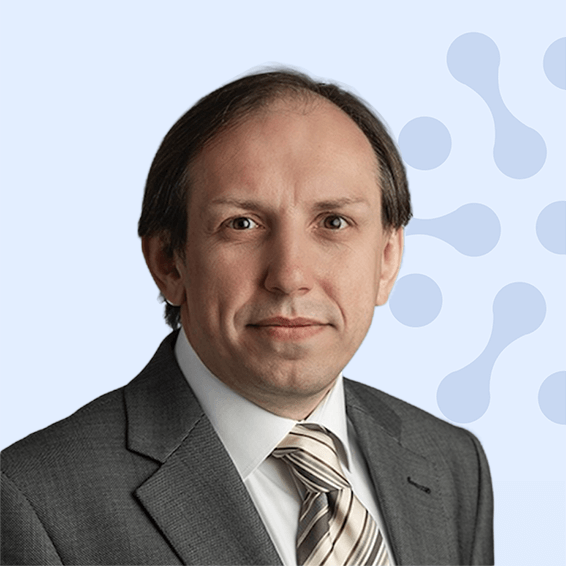
Dmitry is responsible for directing and leading the R&D team at Cellix. Dmitry has successfully brought technology, through the product development lifecycle (from TRL1 to TRL9) in a highly technical field resulting in steady product sales and growth of revenues for Cellix. Dmitry strategically identifies areas in which Cellix should innovate and develops technology building blocks; adding new and complementary technologies to our product development pipeline, including cell analysis, sorting and gene transfection on-chip.

Michael is a highly experienced embedded and software systems engineer with over 30 years of expertise across Europe in firmware development, real-time systems, and low-level hardware integration. Currently serving as a Software Developer at Cellix Ltd., he has contributed to mission-critical systems in aerospace, telecommunications, and medical instrumentation. His deep proficiency in C/C++, Java, and assembler on Linux, Solaris, and embedded platforms is complemented by a strong background in microcontroller-based systems and industrial instrumentation.

Toby is an experienced Applications Specialist with a strong background inbiotechnology and microfluidics. He has been with Cellix Ltd. since 2010, combining deep technical expertise in cell culture, molecular biology, and analytical instrumentation with broad international experience in product development, training, and support.
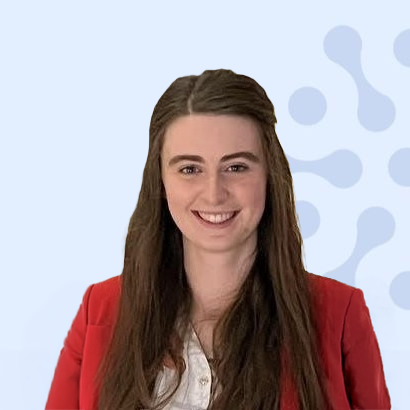
Frances recently completed a PhD in Physics, which included 4.5 years of instrumentation research and development. She is now applying these skills asan R&D Engineer at Cellix Ltd. Her experience includes CAD modelling (SolidWorks), prototype development, and the planning and execution of experimental work.

Killian is a Senior R&D Engineer at Cellix Ltd. with a background in physics and a PhD from Trinity College Dublin, completed in 2020. He has over five years of industry experience in microfluidics, device design and development, machine learning and data analysis.
