
WP4 defines and validates patient eligibility criteria to identify new cohorts who stand to benefit from the modular CAR-T device, leveraging clinical expertise and data analytics to model anticipated outcomes. A comprehensive market and competitor analysis maps current trends, barriers to entry, and growth projections, informing optimal positioning within healthcare systems. Finally, insights from WP2 are used for exploitation and sustainability strategies that outline clear commercialization pathways, partner engagement, and scalable roll-out plans to ensure long-term integration and impact of the innovation.
Same-day CAR-T production is established and refined through the comparison of novel vector and gene-editing strategies with classical methods. Both processes are then standardized to ensure consistent, clinical-scale use. It develops cutting-edge analytical assays - leveraging CRISPR off-target profiling, 3D ex vivo efficacy screens, and cytokine-release monitoring - to qualify edited cells for safety and potency. Finally, it conducts paired comparisons of the new rapid workflow versus traditional ex vivo culture to demonstrate equivalence or superiority in product quality.
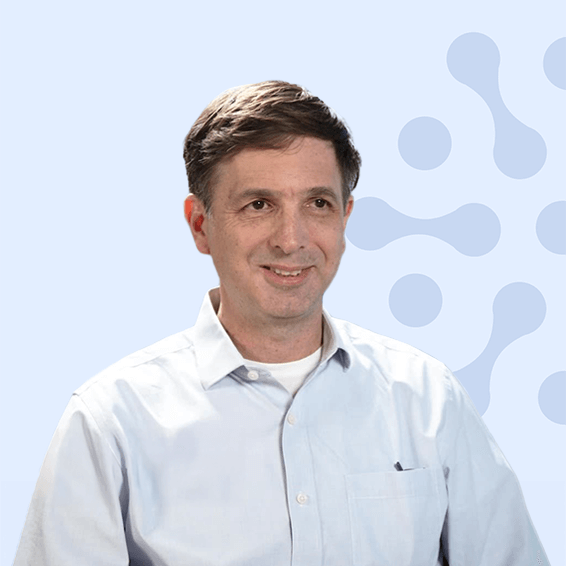
Ayal is a Professor at the Institute for Nanotechnology and Advanced Materials, The Mina and Everard Goodman Faculty of Life Sciences, Bar-Ilan University, bringing extensive expertise in genome engineering and DNA repair. He earned his PhD in Biochemistry from the Weizmann Institute of Science and completed postdoctoral training in genome engineering at Stanford University School of Medicine. As head of a research lab developing safe and effective CRISPR-based therapies for monogenic diseases and cancer, he leads efforts to advance methods that rigorously assess and improve the precision of gene editing by detecting and minimizing off-target effects.
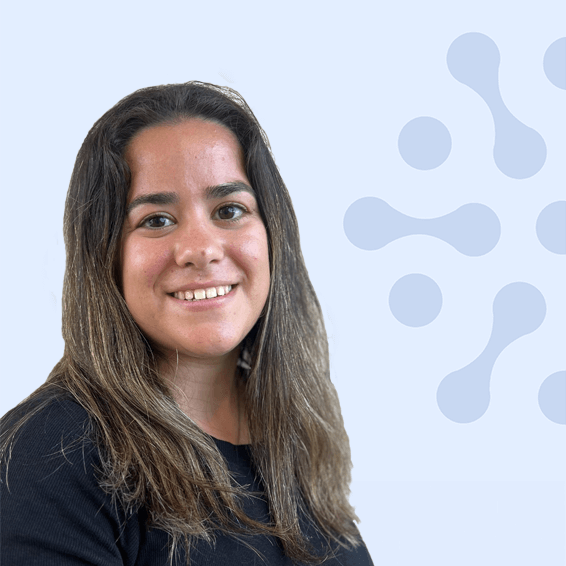
Nechama is a PhD candidate in the Department of Life Sciences at Bar-Ilan University, conducting her research in the laboratory of Prof. Ayal Hendel. She holds an M.Sc. in Molecular Biology (cum laude) and a B.Sc. in Neuroscience (magna cum laude). Nechama brings extensive expertise in the bioinformatic analysis of genome-editing safety, with a particular focus on the identification and quantification of off-target activity.
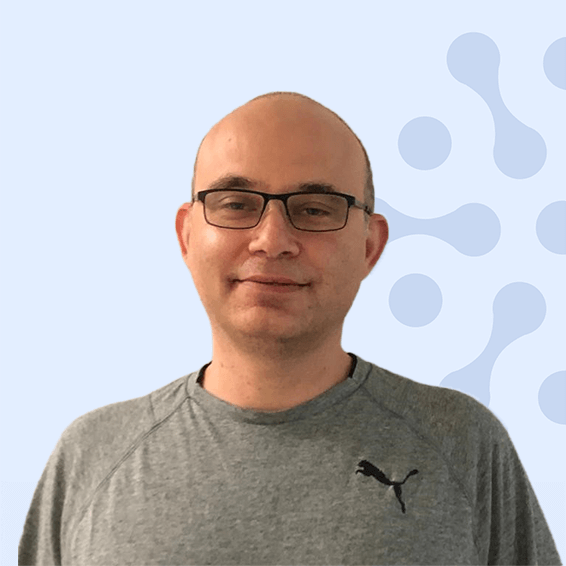
Michael is a Research Associate in the laboratory of Prof. Ayal Hendel at the Departmentof Life Sciences, Bar-Ilan University. He holds a PhD in Biochemistry from Hebrew University and conducted postdoctoral studies on protein-RNA interactions in gene expression at Massachusetts General Hospital, Harvard Medical School. Michael is an expert in genome-wide analysis of CRISPR off-target activity and is currently engaged in implementing innovative genome editing methods with a strong emphasis on safety.
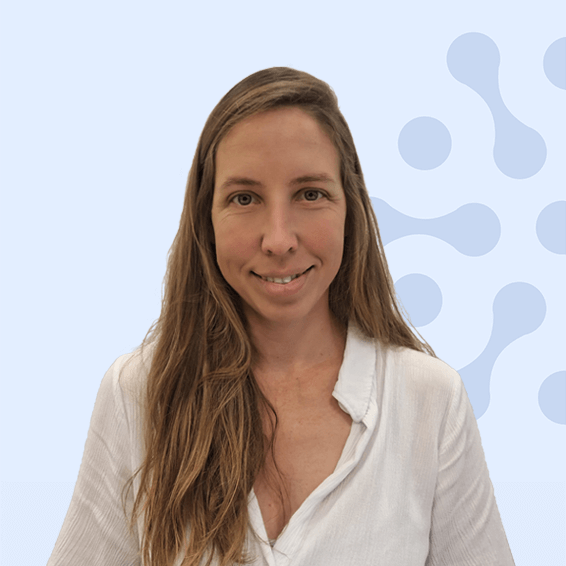
Rotem is a PhD candidate in the Life Sciences Department at Bar-Ilan University, conducting her doctoral research in the laboratory of Prof. Ayal Hendel. Her work focuses on advanced T-cell immunotherapy, with an emphasis on the discovery, characterization, and functional evaluation of T-cell receptors. She specializes in editing primary T-cells and leads the development of a modular platform for engineered T-cell receptor evaluation, with the aim of translating this into clinically relevant applications.
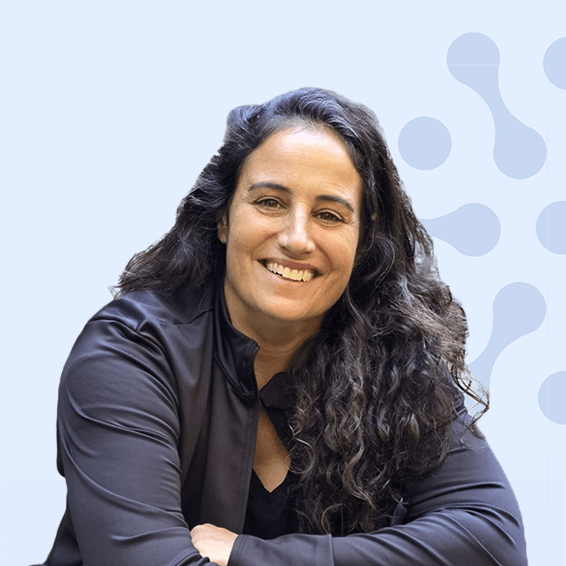
Adi is the Lab Administrator in Prof. Ayal Hendel’s lab at the Department of Life Sciences, Bar-Ilan University. She holds a PhD in Life Sciences from Tel Aviv University, specializing in circadian biology, and completed postdoctoral research at Bar-Ilan University investigating the mechanisms and potential treatments for thyroid hormone-related neurodevelopmental disorders. Drawing on her strong scientific background and organizational skills, Adi oversees daily lab operations and provides comprehensive administrative support to facilitate the lab’s research goals.
